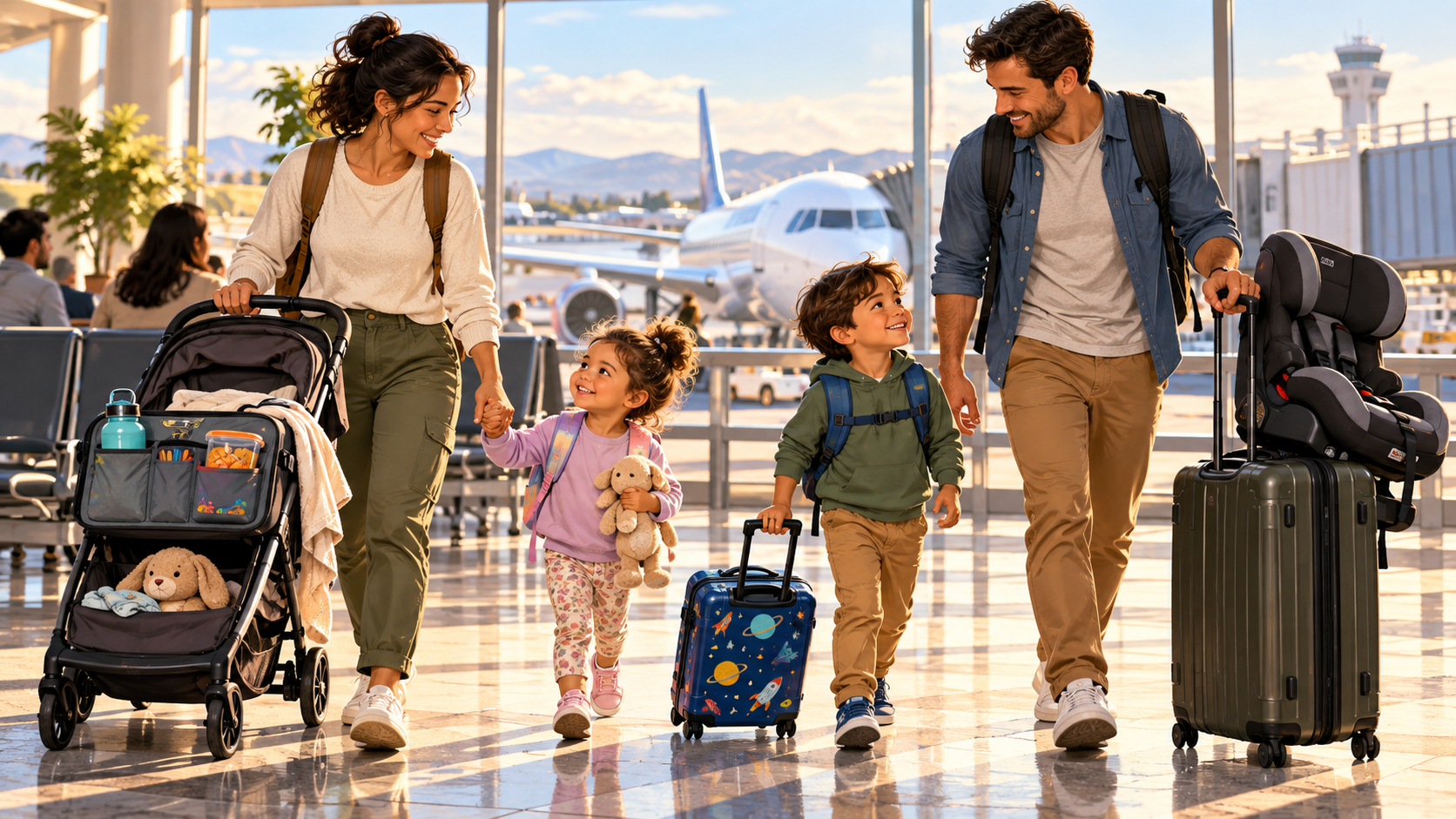
<p>Travel with a child ages 2 to 5 is rarely relaxing in the adult sense. It can still be enjoyable when the plan matches the child’s body, attention, and need for predictability. The most useful preparation is not packing entertainment for every minute. It is protecting safety, sleep, food, movement, and a few familiar routines while leaving enough flexibility for delays.</p> <p>Tell the child what will happen in simple sequence. “We drive to the airport, give the suitcase to the worker, go through security, wait, then sit on the plane.” Use photos or pretend play if the experience is new. Explain unfamiliar moments such as taking off shoes, hearing announcements, or waiting in a line. Avoid promising that there will be no delays or tears.</p> <p>Pack one accessible bag for the travel day. Include spare clothes for the child and adult, wipes, bags for wet items, needed diapers or underwear, familiar snacks, empty refillable water bottles, comfort items, and a few quiet activities. Keep essential medicine in original labeled containers and within adult control, not checked luggage when it may be needed in transit.</p> <p>Use the correct restraint every ride. In a car, follow the seat manufacturer’s height and weight limits, keep children rear-facing as long as the seat permits, then use a forward-facing seat with a harness and tether. Arrange a suitable seat at the destination instead of assuming a rental company will have the correct model and installation information.</p> <p>For air travel, the Federal Aviation Administration and pediatric guidance support securing young children in their own seat with an approved child restraint appropriate for the child and aircraft. Check the label, airline rules, seat dimensions, and placement before travel. A familiar car seat may also give the child a safer, more recognizable place to sit.</p> <p>Build movement into the schedule. On road trips, stop at safe locations so children can move and use the bathroom. At airports, find an open area away from moving walkways and boarding traffic. Movement before a long seated period can help, but avoid exhausting the child so completely that every small frustration becomes unmanageable.</p> <p>Plan food for both nutrition and regulation. Use familiar low-mess snacks that are safe for the child’s chewing ability, and have children sit while eating. Avoid hard, round, or sticky choking hazards. Travel is not the day to test a new food when allergies or stomach reactions could be difficult to manage.</p> <p>Protect sleep without expecting the home schedule to survive perfectly. Bring the familiar pajamas, bedtime book, white-noise routine, or comfort object. Shift bedtime gradually when crossing time zones if possible. In a hotel or relative’s home, check the sleep area for cords, gaps, unstable furniture, and other hazards before the child is tired.</p> <p>Inspect every temporary space. Rental homes and hotel rooms may contain accessible medicine, cleaning products, balconies, blind cords, hot water, pools, unsecured televisions, or doors a child can open. Move hazards, request safety equipment when available, and assign active supervision around pools and unfamiliar outdoor areas.</p> <p>Prepare for motion sickness if the child has had it before. Ask the pediatrician about safe options before the trip rather than trying a new medicine at departure. In the car, a forward view when safely possible, fresh air, light food, and breaks may help. Keep cleanup supplies accessible and watch for early signs such as pallor, yawning, or quietness.</p> <p>During a meltdown, reduce the audience in your mind. Other travelers may look, but the child still needs safety and regulation, not a public apology tour. Use few words, offer water or a bathroom trip, lower sensory input, and hold the boundary. If two adults are traveling, switch roles before frustration becomes anger.</p> <p>Give the child a real job. They can carry a small backpack, choose between two activities, hold the boarding pass with help, or check the picture schedule. Avoid giving responsibility for important documents or another child. Participation can replace some of the helplessness that comes with being moved through an adult itinerary.</p> <p>Leave recovery time after arrival. A packed first day may be harder than the flight itself. Plan food, movement, connection, and an early night before major events. Tell relatives that the child may need time to warm up rather than demanding immediate hugs or performances.</p> <p>Carry basic health information in a form adults can reach without relying on a phone battery. Include allergies, medicine needs, insurance details, emergency contacts, and the pediatrician’s number. Learn how to reach local emergency help at the destination. For international travel, discuss vaccines, food and water safety, and destination-specific risks with the child’s clinician well before departure.</p> <p>The best family travel story is rarely the one in which nothing goes wrong. It is the one in which adults prepared for the important risks, adjusted when the schedule changed, and helped the child return to connection. Pack for safety and comfort, protect a few familiar anchors, and allow the trip to move at the pace of a family rather than an itinerary.</p>
Traveling With Toddlers and Preschoolers
Travel with a child ages 2 to 5 is rarely relaxing in the adult sense. It can still be enjoyable when the plan matches the child's body, attention, and need for predictability. The most useful preparation is not packing…
By Rick Lofton · October 20, 2026
More stories
More education-learning
 education-learning
Building Early Math Skills Through Play
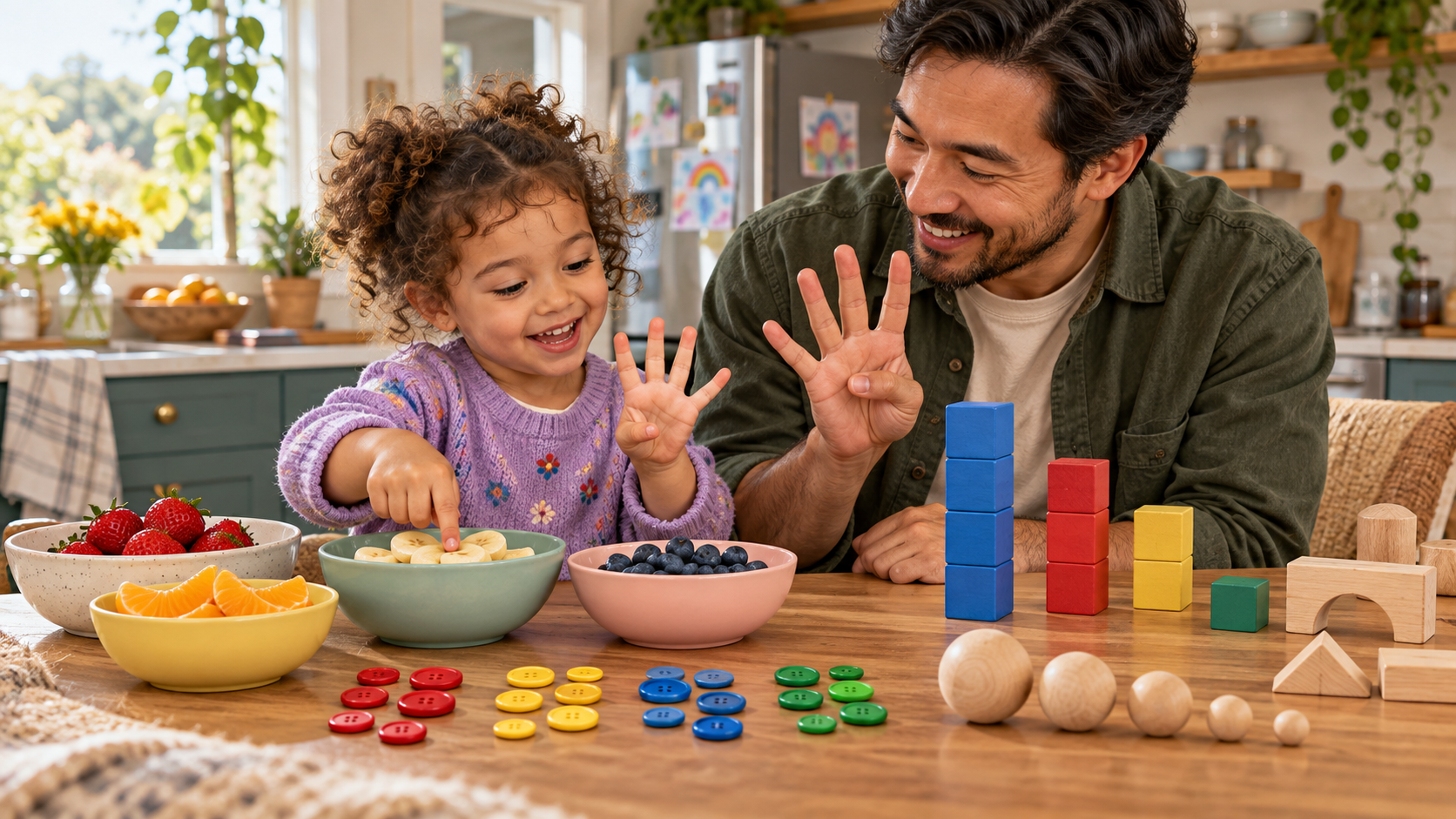
Early math is already happening when a child asks for more crackers, notices that one tower is taller, matches two socks, or argues that a sibling received the bigger piece. Children ages 2 to 5 build mathematical…
Read more →Oct 25, 2026
5 min read
 education-learning
Early Literacy Without Pressure
A 4-year-old does not need to read independently to be on the road to literacy. Long before children decode printed words, they learn that stories carry meaning, pages turn in order, sounds can be played with, and marks…
Read more →Oct 24, 2026
5 min read
 education-learning
Everyday Learning at Home
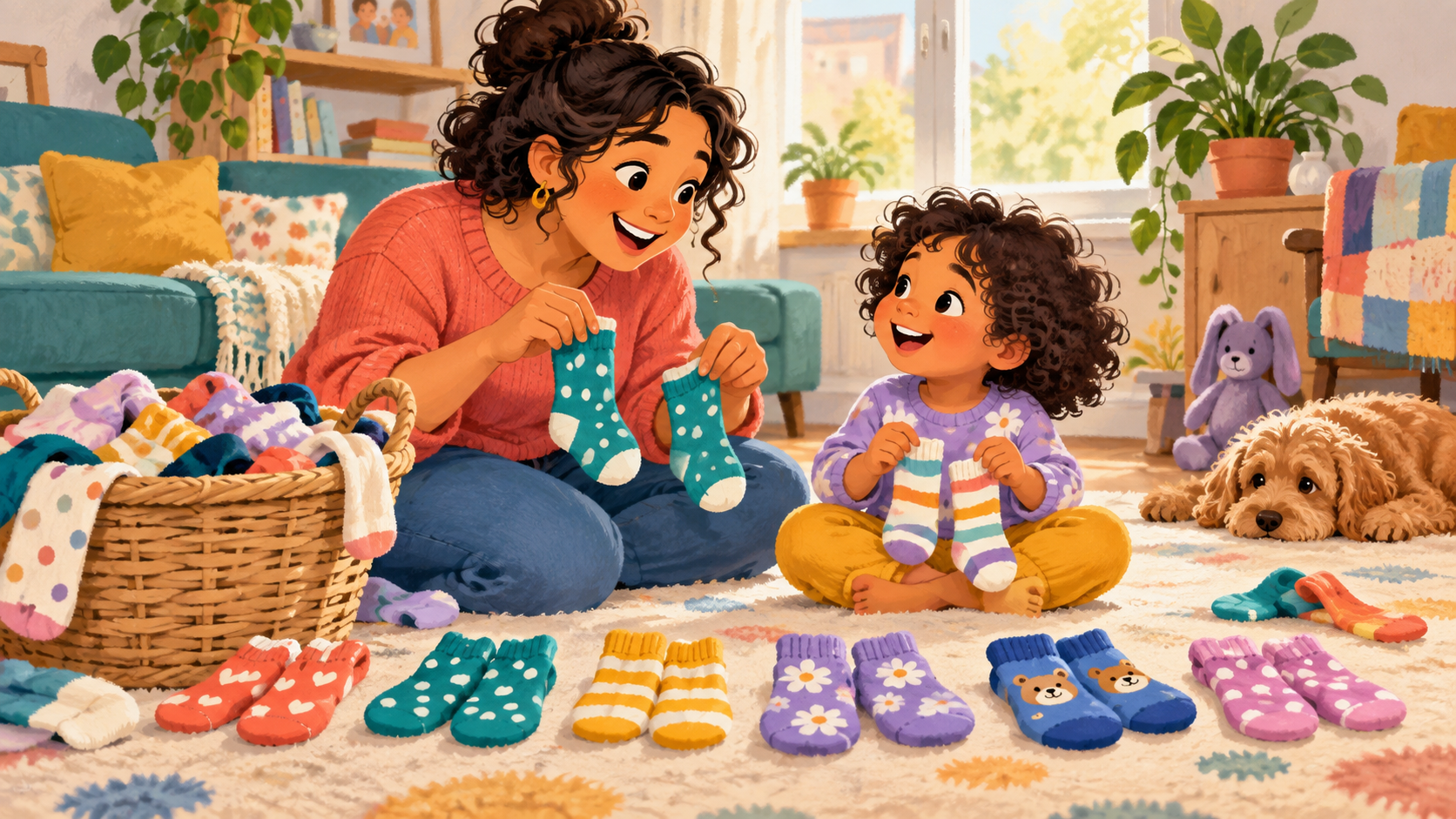
A preschooler does not need a miniature classroom at the kitchen table. Language, math, science, movement, and problem-solving are already present in cooking, laundry, bath time, errands, and play. The adult's job is to…
Read more →Oct 9, 2026
5 min read
The OWL Weekly
A small letter from Larissa, every Sunday.
One short video, one free printable, one cultural note, one small parenting win. Five minutes to read — written like a note to a friend.
Double opt-in via Beehiiv. Unsubscribe anytime.
