<p>A 4-year-old does not need to read independently to be on the road to literacy. Long before children decode printed words, they learn that stories carry meaning, pages turn in order, sounds can be played with, and marks can represent ideas. The best early literacy experiences feel like connection and discovery, not a test the child can fail.</p> <p>Read aloud every day when possible, but release the idea of a perfect twenty-minute session. A toddler may listen for two pages, wander away, and return for the ending. A preschooler may interrupt with ten questions or insist on the same book all week. Participation can include pointing, acting, repeating a line, or simply leaning against an adult.</p> <p>Follow the child’s interests. Books about trucks, hair, insects, families, cooking, or favorite characters all count. Familiar subjects give children background knowledge that helps them understand new words. Include stories that reflect the child’s home and community, along with stories that introduce lives and experiences different from their own.</p> <p>Make reading conversational. Pause to notice a picture, wonder what might happen, or connect the story to something the child knows. Do not quiz on every page. Questions such as “What do you notice?” invite more thinking than a rapid series of right-or-wrong prompts. If the child does not answer, share your own observation and keep the story moving.</p> <p>Play with sounds. Sing rhyming songs, clap syllables in names, stretch the first sound in a word, and notice when two words begin alike. These oral games build awareness of the sound structure of language. Keep them light. A child who gives a funny answer is still listening to sound and experimenting.</p> <p>Let print appear naturally in the day. Point out the child’s name on a cubby, read a stop sign, follow a simple recipe, or make a picture list for the store. Environmental print helps children see why reading matters. Avoid turning every sign into a demand to perform for relatives or strangers.</p> <p>Writing begins with marks. Provide crayons, washable markers, chalk, paint, and paper in easy reach. A scribble may represent a story even when an adult cannot recognize letters. Ask, “Tell me about your picture,” and write down the child’s words if invited. Drawing, pretend writing, and name attempts all connect spoken language with symbols.</p> <p>Teach letters through meaningful encounters rather than endless drills. A child is often interested first in the letters of their own name, family names, or favorite objects. Name the letter and its sound when it comes up. Magnetic letters, puzzles, and letter hunts can be enjoyable, but they are tools, not a race through the alphabet.</p> <p>Use the home language fully. Talking, singing, storytelling, and reading in the language adults know best give the child rich vocabulary and strong relationships. Learning more than one language does not confuse children or cause a language disorder. Skills and knowledge developed in one language can support learning in another.</p> <p>Audiobooks and story videos can add variety, especially during travel or for children with print disabilities, but they do not replace all shared reading. An adult’s responsive conversation helps the child connect words, pictures, feelings, and experience. When using a screen, choose high-quality content and talk about it together.</p> <p>Notice progress broadly. The child may hold a book correctly, finish a familiar phrase, retell part of a story, recognize a name, make a rhyme, or ask what a word says. These are meaningful steps. Pushing independent reading too early can turn books into a performance and crowd out the language and play that support later comprehension.</p> <p>Share concerns when the child rarely notices sound, has difficulty understanding spoken language, loses skills, avoids books because seeing or hearing seems hard, or is not meeting communication milestones. A pediatrician can consider hearing, vision, speech, language, attention, and development. Early help is most useful when it supports communication and enjoyment, not just letter accuracy.</p> <p>Libraries make literacy easier to sustain. Let the child choose some books, even when the selections seem repetitive or silly, and ask a librarian for topics that match current interests. Story times also expose children to songs, rhythm, group listening, and a wider range of voices. If fines, transportation, or language access are barriers, ask what digital, mobile, or community options are available.</p> <p>Repetition is productive. When a child requests the same story again, they are practicing prediction, vocabulary, narrative sequence, and confidence. Change the experience occasionally by letting the child “read” from memory, finding a repeated phrase, or acting out one scene. There is no need to hide the favorite book simply because the adult is tired of it.</p> <p>The central early literacy habit is simple: words and stories belong in everyday life. Read the cereal box, tell a family story, sing in the car, write a note, and return to a beloved book. A child who experiences language as warm, useful, and interesting is building a foundation that worksheets alone cannot provide.</p>
Early Literacy Without Pressure
A 4-year-old does not need to read independently to be on the road to literacy. Long before children decode printed words, they learn that stories carry meaning, pages turn in order, sounds can be played with, and marks…
By Rick Lofton · October 24, 2026

More stories
More education-learning
 education-learning
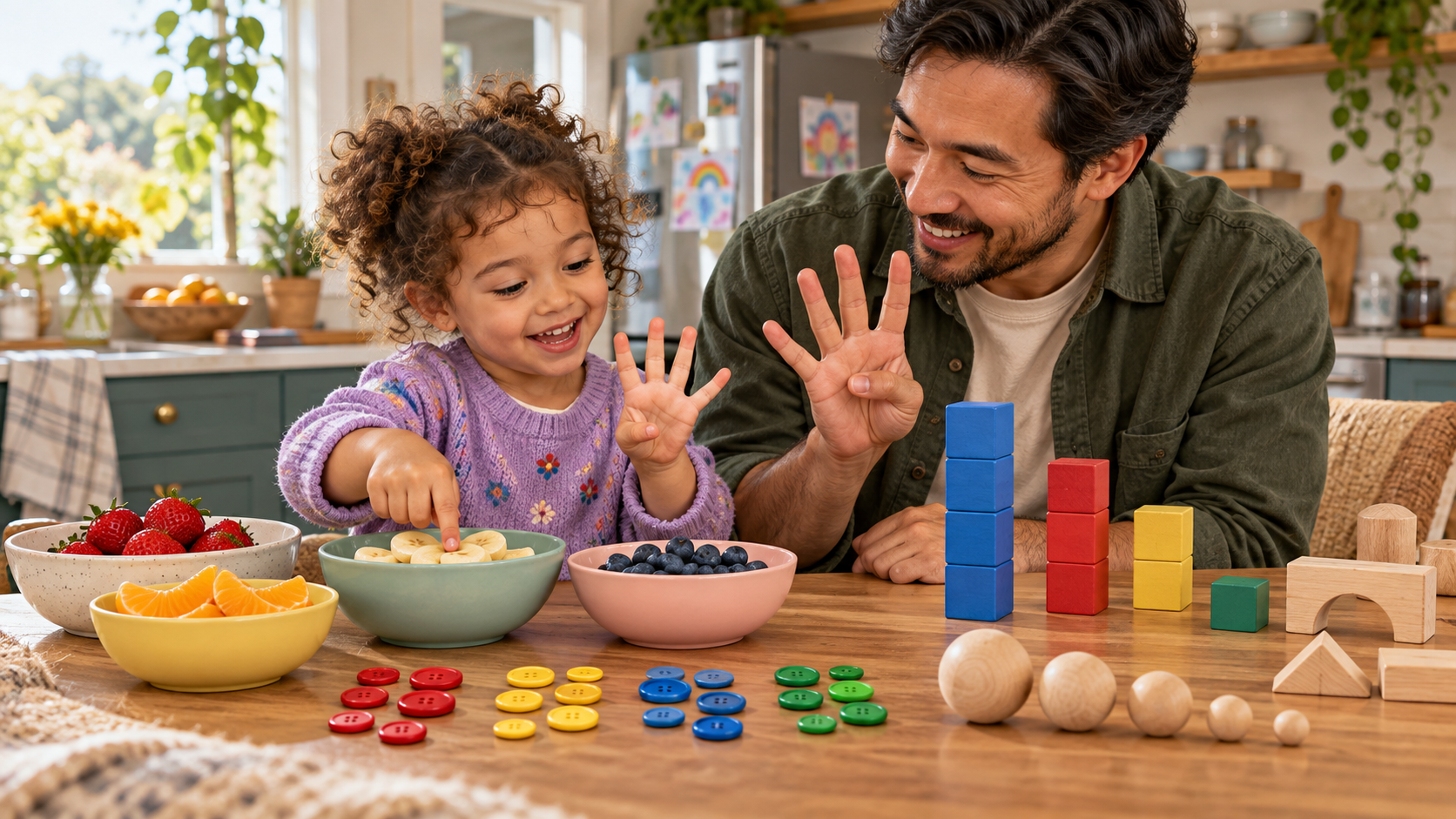
Building Early Math Skills Through Play
Early math is already happening when a child asks for more crackers, notices that one tower is taller, matches two socks, or argues that a sibling received the bigger piece. Children ages 2 to 5 build mathematical…
Read more →Oct 25, 2026
5 min read
 education-learning
Traveling With Toddlers and Preschoolers
Travel with a child ages 2 to 5 is rarely relaxing in the adult sense. It can still be enjoyable when the plan matches the child's body, attention, and need for predictability. The most useful preparation is not packing…
Read more →Oct 20, 2026
5 min read
 education-learning
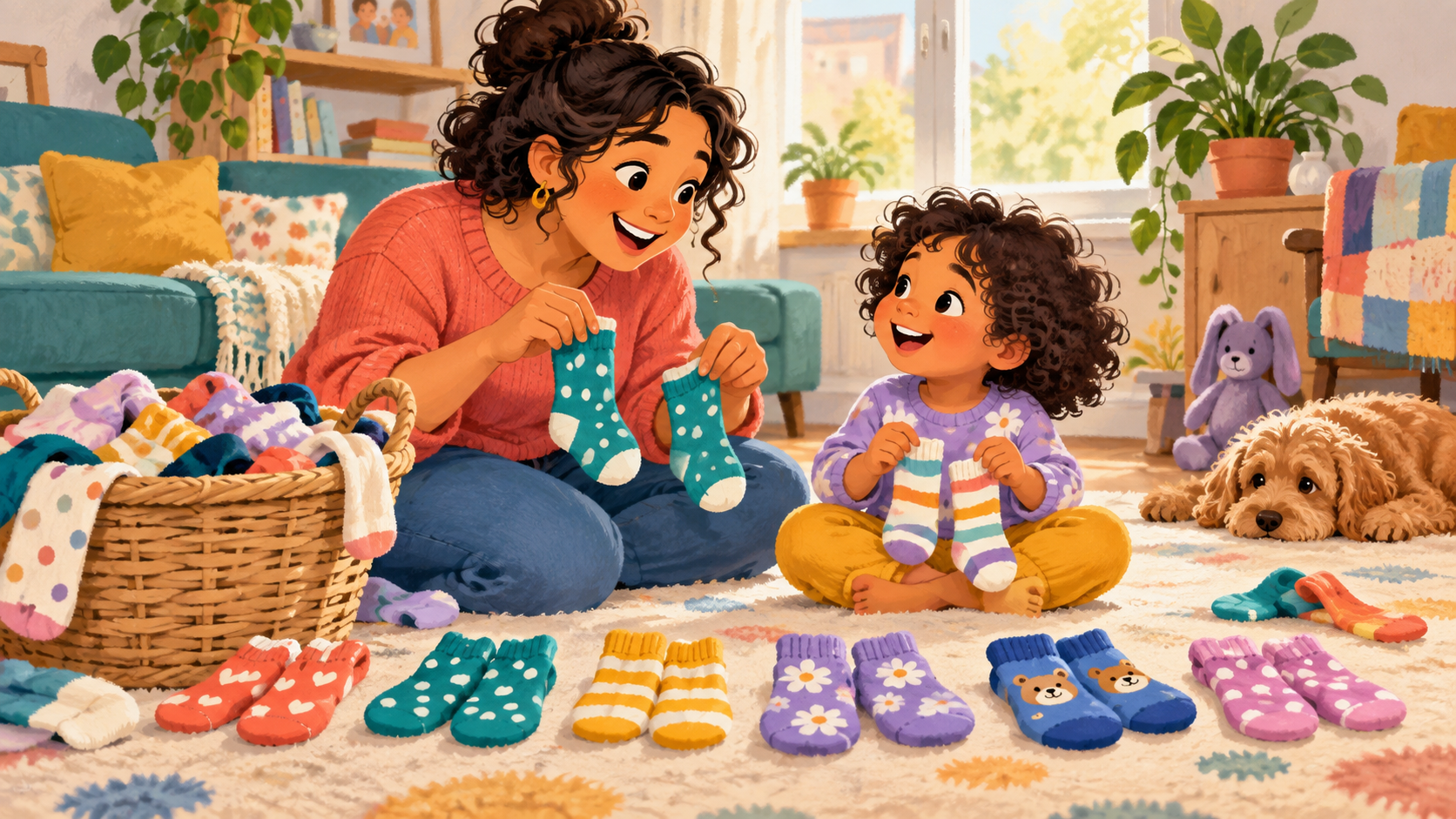
Everyday Learning at Home
A preschooler does not need a miniature classroom at the kitchen table. Language, math, science, movement, and problem-solving are already present in cooking, laundry, bath time, errands, and play. The adult's job is to…
Read more →Oct 9, 2026
5 min read
The OWL Weekly
A small letter from Larissa, every Sunday.
One short video, one free printable, one cultural note, one small parenting win. Five minutes to read — written like a note to a friend.
Double opt-in via Beehiiv. Unsubscribe anytime.
