<p>Sucking is a normal way for babies and young children to soothe themselves. A pacifier or thumb may help with sleep, separation, boredom, or stress long after infancy. The habit becomes a family concern when it continues into the preschool years, affects the teeth or mouth, irritates the skin, interferes with speech opportunities, or feels impossible for the child to manage. Shame and punishment usually make the process harder.</p> <p>Begin with a dental conversation. The American Academy of Pediatric Dentistry notes that prolonged pacifier use and finger sucking can influence the developing mouth and bite. A pediatric dentist can look at the child’s teeth, jaw, and palate and advise how urgently the habit needs to change. The pattern, intensity, and hours per day matter, not only the child’s birthday.</p> <p>Observe when the sucking happens. Is it mainly during sleep, car rides, screen time, transitions, or emotional upset? A child who uses a pacifier only at bedtime needs a different plan from a child who sucks a thumb throughout the day. For one week, notice the triggers without commenting constantly. The habit often meets a real regulation need that must be replaced, not simply removed.</p> <p>Talk about the plan when the child is calm. Use neutral language: “Your mouth is growing, and we are going to help the pacifier stay in bed.” Avoid calling the habit babyish, dirty, or embarrassing. A preschooler may agree during the day and struggle at night. That is not dishonesty. It is the difference between understanding a goal and managing a strong habit while tired.</p> <p>For pacifiers, reduce access gradually. Keep them in one place, then limit use to the car or sleep, then choose a final routine. Do not carry several backups in every bag once the plan begins. A special box, goodbye ritual, or exchange for a comfort item may help, but the child should understand that the pacifier is not returning the next morning.</p> <p>Thumb sucking requires a different approach because the thumb cannot be removed. Build awareness without nagging. Agree on a quiet signal, invite the child to hold a stuffed animal with both hands, or use a bedtime hand activity. A dentist may recommend a specific strategy if the habit continues. Do not use painful devices, harsh substances, or restraints without professional guidance.</p> <p>Replace the soothing function. Offer a cuddle, story, music, breathing game, water, back rub, or familiar stuffed animal. During daytime stress, give the hands a job such as play dough, drawing, or carrying a small comfort object. The replacement should be available at the exact time the old habit usually appears.</p> <p>Expect sleep to be the hardest part. Keep the bedtime sequence especially predictable during the change. Add connection before lights out and prepare for several nights of protest or extra waking. Respond warmly without bringing the pacifier back after a long negotiation. If the plan becomes unmanageable, pause thoughtfully and consult the dentist rather than threatening a different consequence each night.</p> <p>Notice success without making the mouth the center of every conversation. Say, “You fell asleep holding your rabbit,” or mark a simple calendar if the child enjoys it. Do not remove earned stickers after a setback. Progress may begin with shorter use, accepting a reminder, or keeping the pacifier out during play before nights become easier.</p> <p>Coordinate with caregivers. Daycare, grandparents, and babysitters need the same limits and soothing options. A hidden pacifier offered during one difficult afternoon can restart confusion. At the same time, explain the plan without asking other adults to police the child publicly. Privacy protects dignity.</p> <p>Choose timing carefully. Starting during a move, a new sibling’s arrival, toilet training, illness, or the first week of school may create more distress than necessary. There is rarely a perfect week, but adults can avoid stacking several major changes. If the dentist identifies an urgent concern, ask how to proceed while still supporting the child emotionally.</p> <p>Check the pacifier itself while it remains in use. Follow manufacturer age and safety guidance, replace damaged products, and never attach a pacifier around the child’s neck or to a dangerous cord. Do not dip it in sugar or sweet liquids. Keep it clean and avoid sharing it between children.</p> <p>If a setback happens after illness, travel, or a major change, return to the last successful limit instead of declaring the whole plan ruined. A few difficult days do not erase learning. Reestablish the routine with the same words and replacement comfort. Consistency matters over time, and compassion helps the child rejoin the plan without feeling that failure defines them.</p> <p>Ask for help if the child cannot sleep for an extended period, skin becomes injured, dental changes are visible, speech or feeding raises concern, or the habit causes intense shame or conflict. The goal is not to defeat the child’s will. It is to help a growing child find new ways to settle, with adults who stay kind and dependable while a familiar comfort fades.</p>
Helping Your Child Move On From Pacifiers or Thumb Sucking
Sucking is a normal way for babies and young children to soothe themselves. A pacifier or thumb may help with sleep, separation, boredom, or stress long after infancy. The habit becomes a family concern when it…
By Rick Lofton · October 19, 2026

More stories
More child-development
 child-development
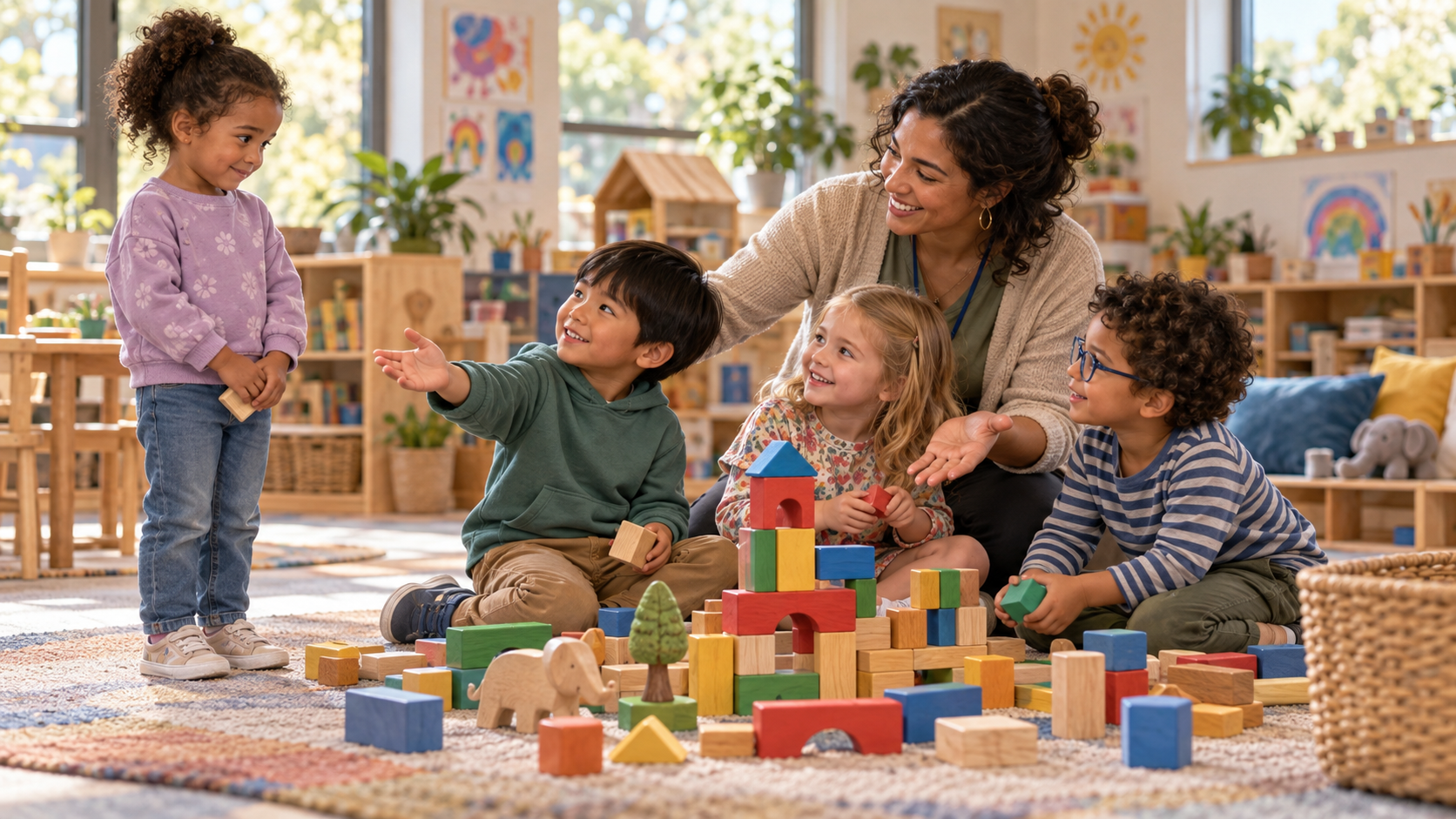
When Preschoolers Exclude or Feel Left Out
Preschool friendships can change between breakfast and pickup. A child may announce, "You cannot come to my party," or return home saying nobody would play. Those words hurt, but they do not always mean the same thing…
Read more →Oct 23, 2026
5 min read
 child-development
Helping Your Child Make Friends
Watching a child hover at the edge of a playground can tug at a parent's heart. Friendship looks simple from across the sandbox, but it asks young children to notice another person, enter play, share an idea, handle…
Read more →Oct 22, 2026
5 min read
 child-development
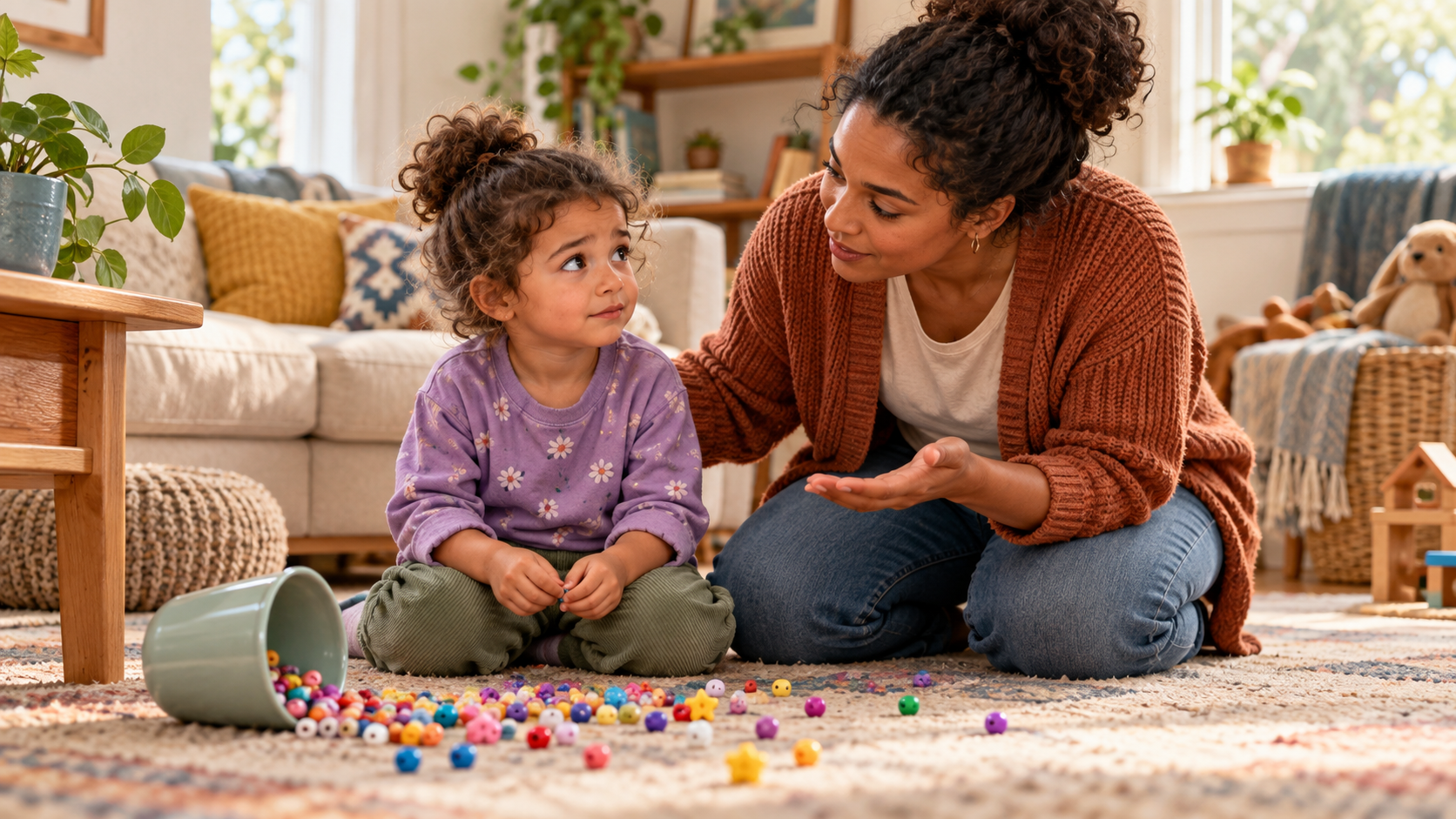
Why Preschoolers Lie and How Honesty Develops
A preschooler looks at a crayon-covered wall and says, with complete seriousness, "I did not do it." For an adult, the evidence seems obvious. For a child ages 2 to 5, the moment may include wishful thinking, fear of an…
Read more →Oct 21, 2026
5 min read
The OWL Weekly
A small letter from Larissa, every Sunday.
One short video, one free printable, one cultural note, one small parenting win. Five minutes to read — written like a note to a friend.
Double opt-in via Beehiiv. Unsubscribe anytime.
