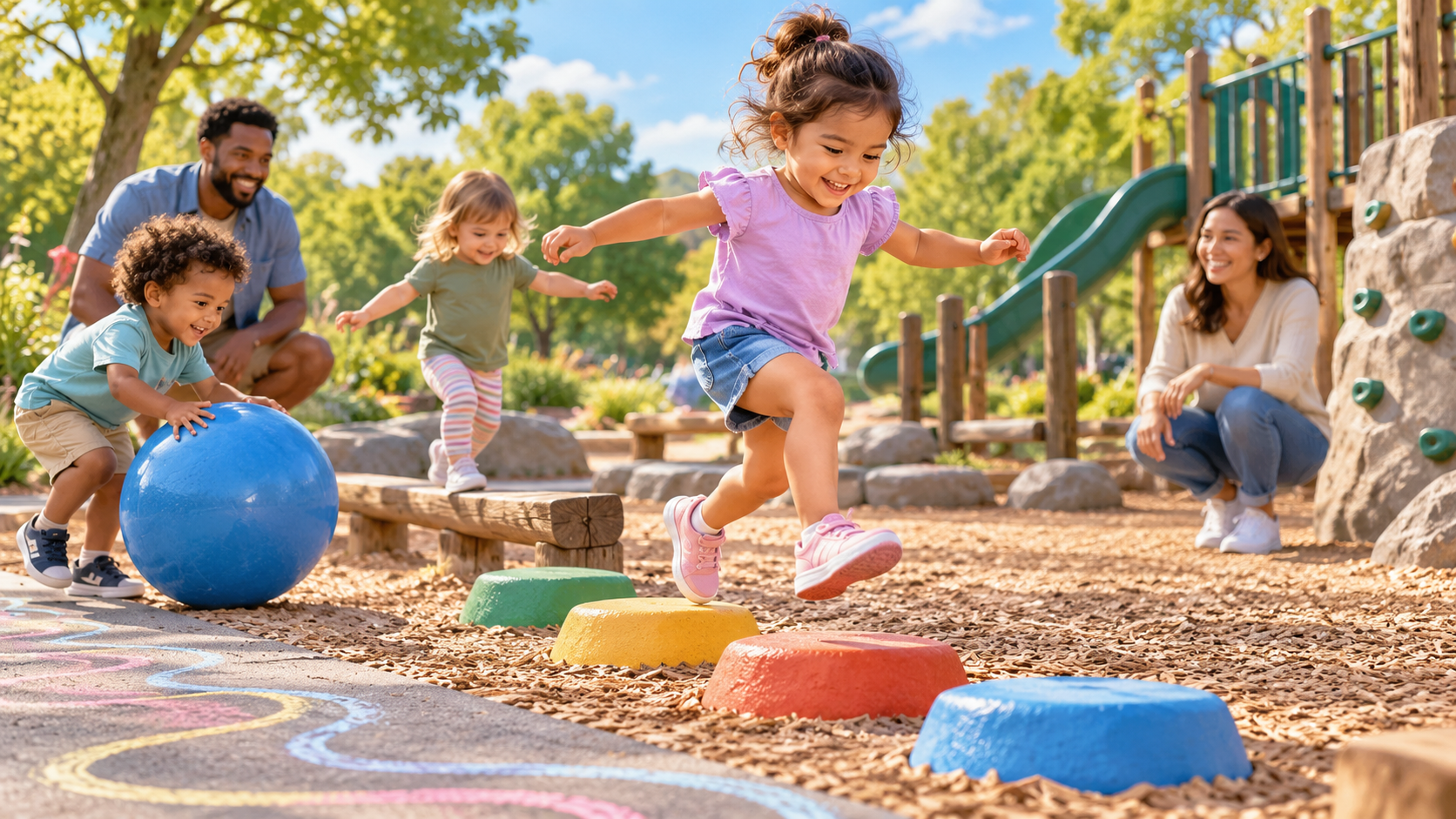
<p>Running, jumping, climbing, throwing, balancing, and pedaling are not just ways for children to burn energy. These whole-body skills help children explore, join games, manage playgrounds, and build confidence in everyday movement. Development unfolds at different rates, but children ages 2 to 5 benefit from frequent chances to move in varied ways without turning play into a fitness test.</p> <p>Start with what the child already enjoys. A child who loves cars can push them along a chalk road while squatting and reaching. A child who loves animals can waddle like a duck, crawl like a bear, and stretch like a cat. Motivation matters because repeated playful practice builds strength, coordination, balance, and planning more naturally than drills.</p> <p>Create a simple obstacle course with safe household materials. Step over a rolled towel, crawl under a table, walk along a tape line, toss a soft ball into a basket, and jump onto a cushion placed on the floor. Keep heights low, supervise closely, and change one challenge at a time. The course should invite experimentation, not demand speed.</p> <p>Ball play grows with the child. A 2-year-old may kick a stationary ball or roll it back and forth. Older preschoolers can practice throwing toward a large target, catching a large soft ball, dribbling with two hands, or kicking between markers. Stand close, use slow throws, and choose a ball large enough for early success.</p> <p>Build balance in ordinary places. Walk along a sidewalk line, step between chalk circles, stand on one foot while holding a hand, or move across grass, sand, and gentle slopes. Uneven surfaces give the body useful information, but adults should choose environments without dangerous drops, traffic, or hidden hazards.</p> <p>Climbing develops strength and judgment when the equipment fits the child. Choose age-appropriate playground structures with protective surfacing and remain close enough to help. Let the child solve manageable movement problems instead of lifting them to a height they cannot reach independently. Getting up should match the child’s ability to get down safely.</p> <p>Include pushing, pulling, and carrying. A laundry basket with light towels, a wagon on level ground, a toy stroller, or a box of stuffed animals gives the muscles sustained work. Check the load and path, and protect fingers. Heavy work should look organized and purposeful, not like the child is straining or losing control.</p> <p>Music turns movement into a social game. Pause and freeze, move fast and slow, reach high and low, or copy a partner’s action. Children practice listening, timing, and body awareness while dancing. Avoid eliminating children who miss a direction. Repetition is the practice, and everyone can rejoin on the next round.</p> <p>Offer active play across the day instead of saving it for one long period. Five minutes of jumping before getting dressed, a walk after lunch, and ball play before dinner can be easier to sustain than a complicated workout. Outdoor space is helpful but not required. Hallway tape lines, pillow paths, and dance breaks can work indoors when the area is cleared.</p> <p>Protect play from constant correction. A child’s run may look awkward while it develops. Give one useful cue at a time, such as “Look at the ball” or “Bend your knees,” then let the child try. Avoid comparing siblings or praising only the fastest child. Effort, problem-solving, and willingness to try a new movement are meaningful progress.</p> <p>Adapt activities so children with disabilities can participate. Use a larger or lighter ball, shorten the distance, add a stable handhold, allow seated throwing, offer more time, or reduce competing noise. Inclusive play keeps the same social purpose while changing the route. A physical or occupational therapist can suggest individualized adaptations.</p> <p>Watch both sides of the body. Notice whether the child uses one leg much less, falls unusually often, appears very stiff or floppy, tires far more quickly than peers, avoids movement because of pain, or loses a skill they previously had. Milestone checklists can guide observation, but a child does not need to master every skill on the same day as a birthday.</p> <p>Share concerns with the pediatrician rather than waiting for the child to catch up indefinitely. Bring examples from home and ask teachers what they observe. Early evaluation can identify vision, hearing, orthopedic, neurological, or developmental factors and connect the family with physical therapy or other support when needed.</p> <p>Safety equipment belongs in movement play too. Use a properly fitted helmet for wheeled activities, choose shoes and surfaces that fit the activity, and check outdoor equipment for heat or damage. Safety rules should be short and repeatable. They create a secure boundary in which children can take the small physical risks that help competence grow.</p> <p>The strongest movement plan is one a family can repeat. A ball, chalk, a safe place to climb, and an adult willing to play are enough. Through ordinary movement, the child learns not only how to control the body but also how to judge risk, recover from a mistake, join other children, and experience the pleasure of growing capability.</p>
Building Gross Motor Skills Through Everyday Play
Running, jumping, climbing, throwing, balancing, and pedaling are not just ways for children to burn energy. These whole-body skills help children explore, join games, manage playgrounds, and build confidence in…
By Rick Lofton · October 18, 2026
More stories
More child-development
 child-development
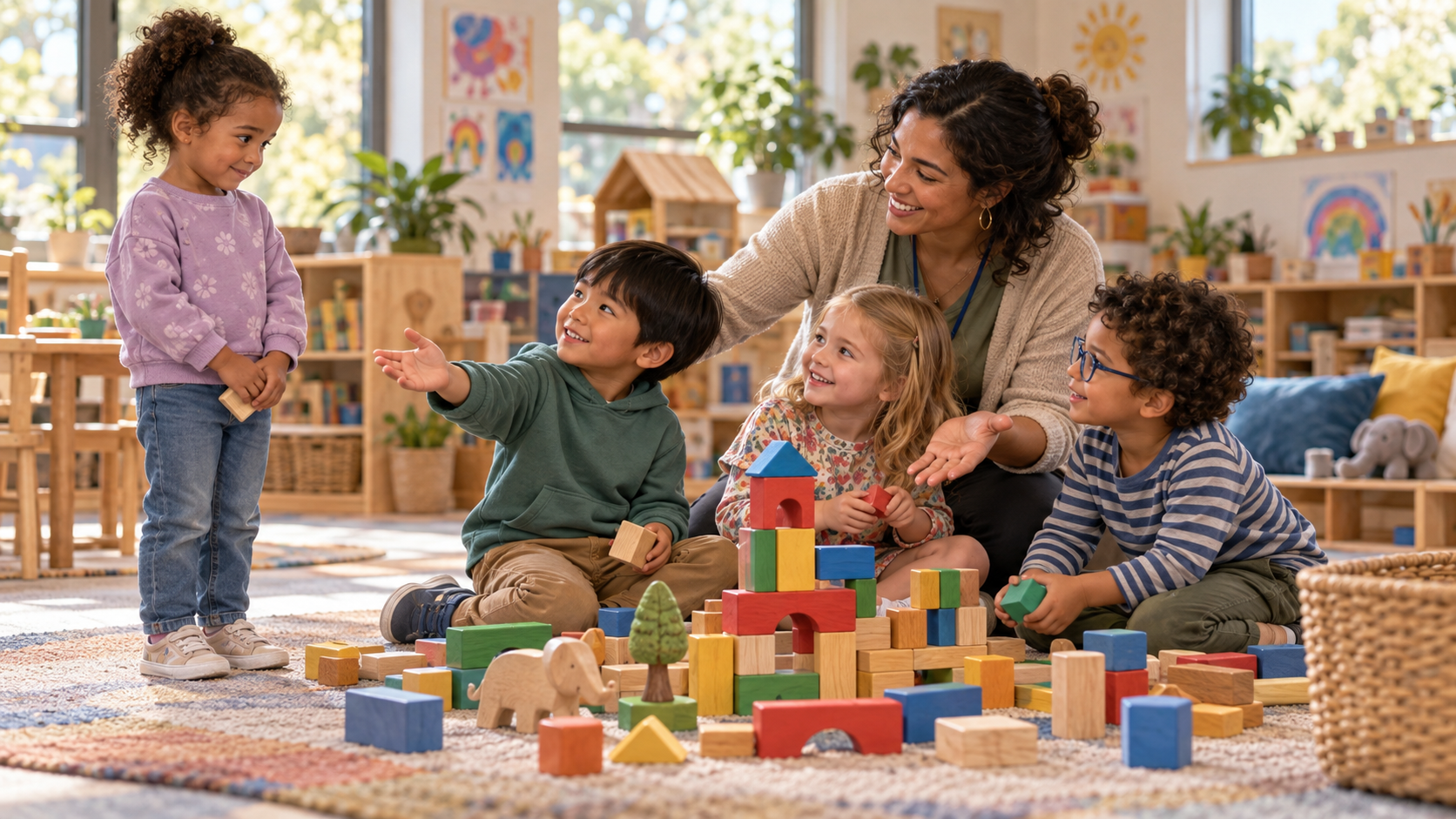
When Preschoolers Exclude or Feel Left Out
Preschool friendships can change between breakfast and pickup. A child may announce, "You cannot come to my party," or return home saying nobody would play. Those words hurt, but they do not always mean the same thing…
Read more →Oct 23, 2026
5 min read
 child-development
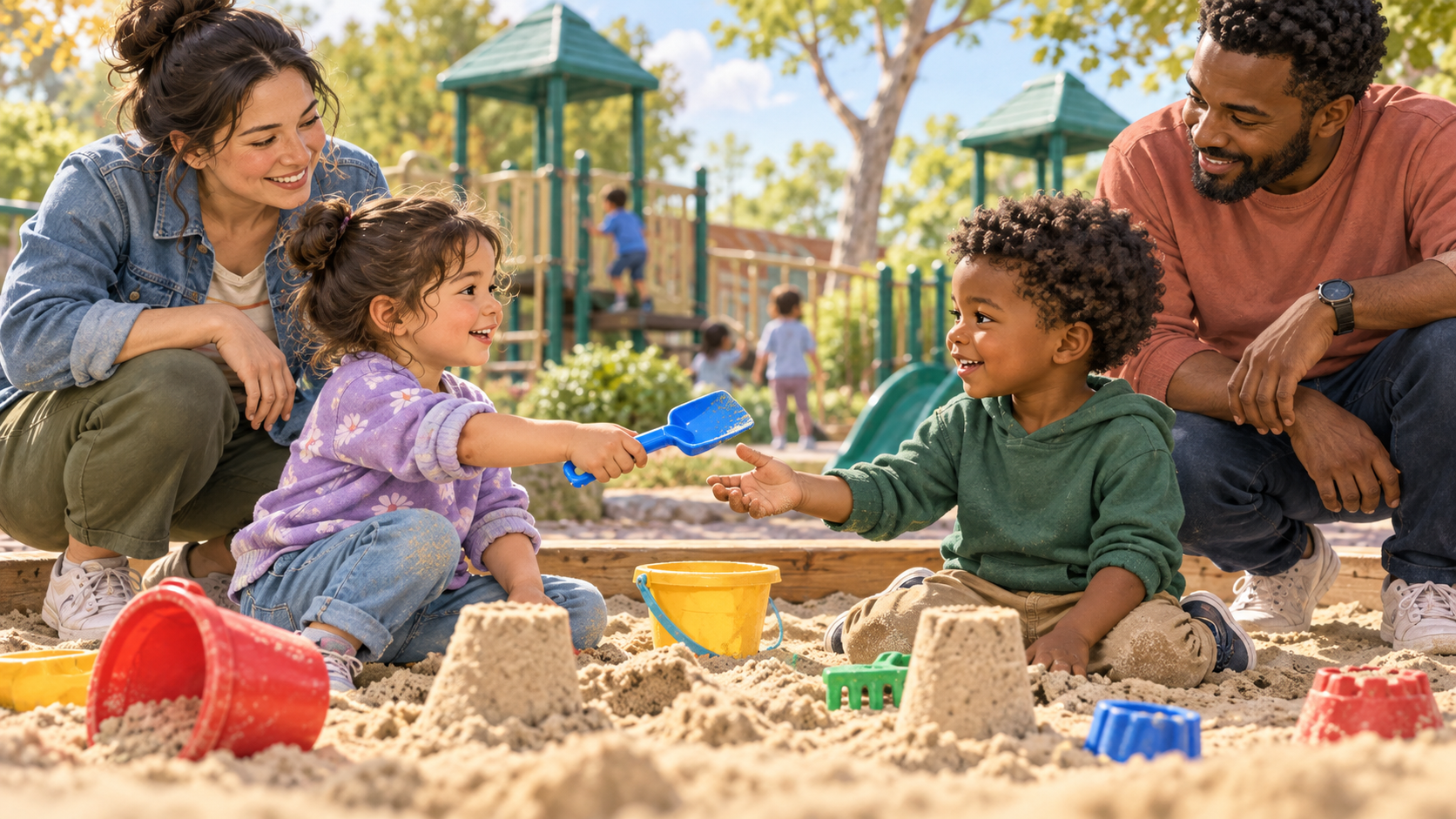
Helping Your Child Make Friends
Watching a child hover at the edge of a playground can tug at a parent's heart. Friendship looks simple from across the sandbox, but it asks young children to notice another person, enter play, share an idea, handle…
Read more →Oct 22, 2026
5 min read
 child-development
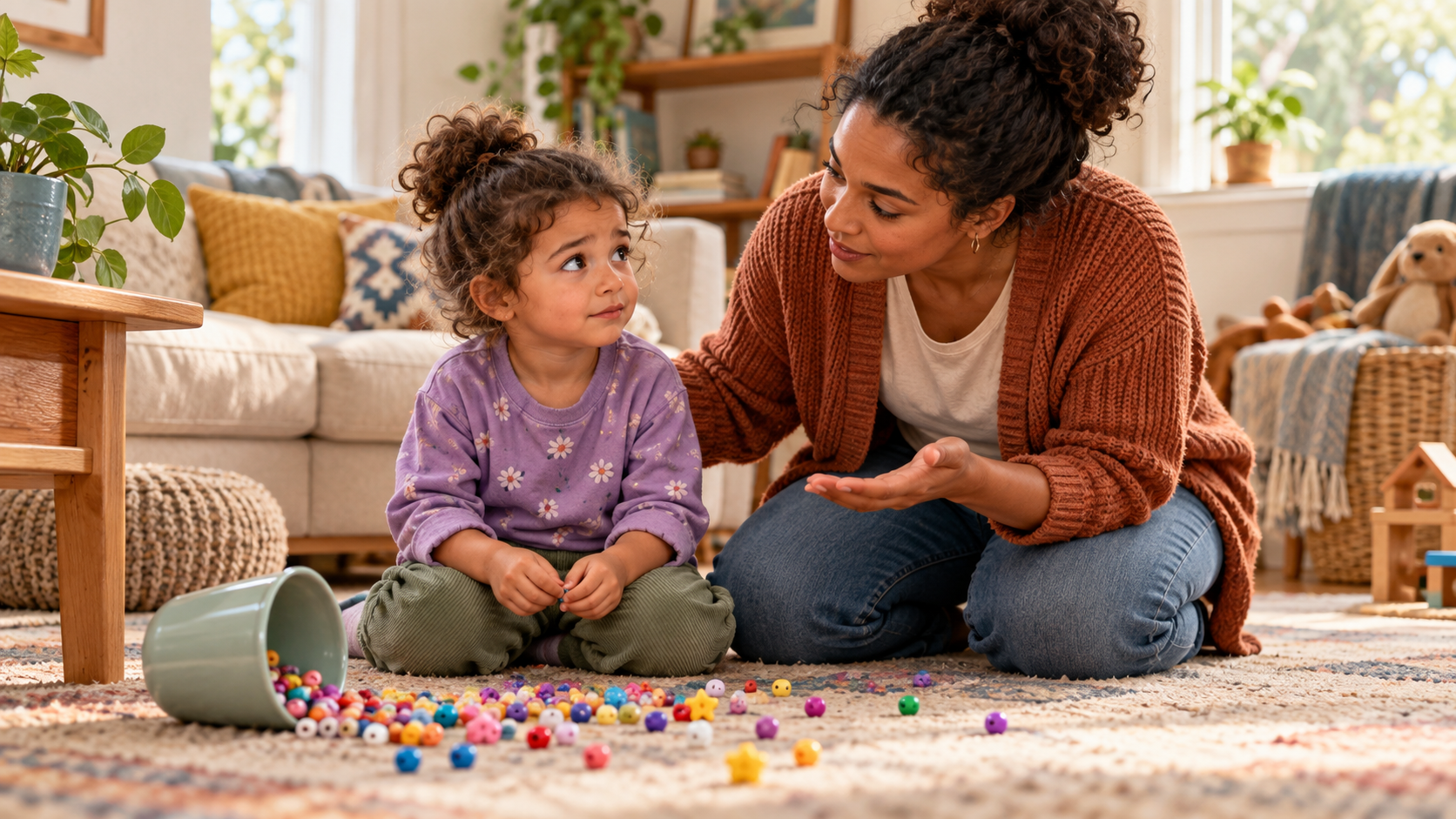
Why Preschoolers Lie and How Honesty Develops
A preschooler looks at a crayon-covered wall and says, with complete seriousness, "I did not do it." For an adult, the evidence seems obvious. For a child ages 2 to 5, the moment may include wishful thinking, fear of an…
Read more →Oct 21, 2026
5 min read
The OWL Weekly
A small letter from Larissa, every Sunday.
One short video, one free printable, one cultural note, one small parenting win. Five minutes to read — written like a note to a friend.
Double opt-in via Beehiiv. Unsubscribe anytime.
