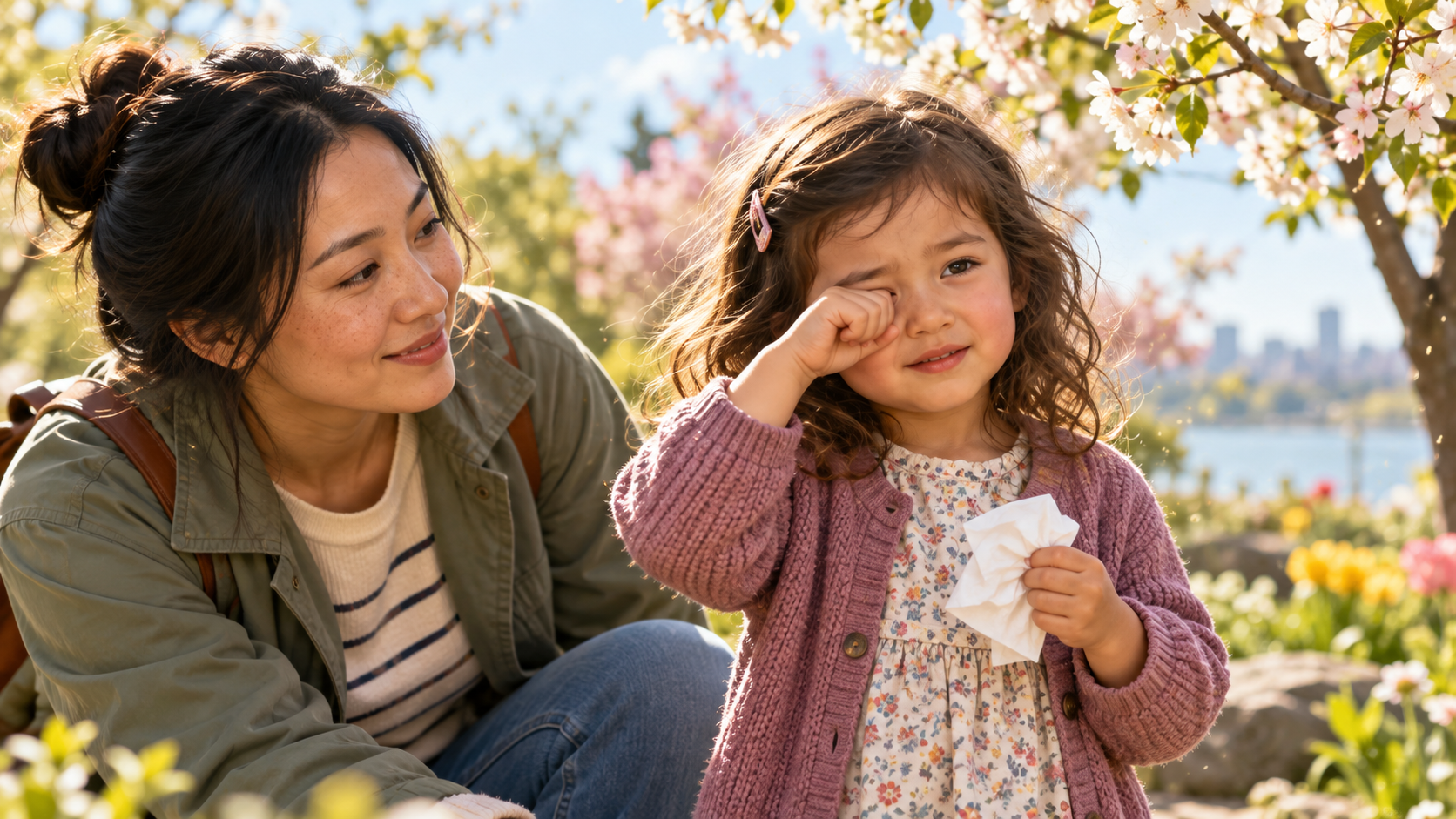
<p>A runny nose in a preschooler can seem endless. When sneezing and congestion appear, parents often wonder whether the cause is a virus or seasonal allergies. The symptoms overlap, and a child can even have both at once. Timing, itchiness, fever, exposure, and how the illness changes over several days offer clues, but a clinician may be needed when the pattern is unclear.</p> <p>Colds are viral infections. They often bring a sore throat, cough, reduced energy, and sometimes fever. Symptoms usually change over the course of days and then improve, although a cough can linger. Nasal mucus may become yellow or green during a cold; color alone does not show that antibiotics are needed.</p> <p>Seasonal allergies are reactions to airborne triggers such as tree, grass, or weed pollen. Itchy, watery eyes; an itchy nose; repeated sneezing; and thin clear drainage point more strongly toward allergies. Symptoms may flare during a particular season, after outdoor play, or on dry windy days and may continue for weeks while the trigger remains present.</p> <p>Fever and body aches favor an infection rather than uncomplicated nasal allergies. Thick discharge can occur with either problem, and cough may result from postnasal drainage in both. A child with allergies may also rub the nose upward, blink frequently, or have dark circles under the eyes, but no single sign proves the diagnosis.</p> <p>Keep a short symptom log. Note the date, weather, outdoor activities, fever, eye symptoms, sleep, medicines, and whether other family members are sick. A pattern that repeats around the same plants, pets, dust, or season is useful information. The record can help the pediatrician distinguish a recurring trigger from a chain of childcare colds.</p> <p>For a cold, focus on fluids, rest, saline nose spray or drops, gentle suction when appropriate, and a clean cool-mist humidifier. Honey may soothe cough for children older than 1 year. Over-the-counter cough and cold products are not recommended for children under 4 and should be used from ages 4 to 6 only when the child’s doctor advises them.</p> <p>For suspected pollen allergies, reduce exposure without trapping the family indoors all season. Close windows when counts are high, change clothes after outdoor play, and bathe or rinse hair before bed when pollen has collected. Keep shoes near the door and clean filters according to the equipment instructions. These measures help most when they target a pattern the child actually has.</p> <p>Ask before giving an antihistamine, nasal spray, eye drop, or combination product. The right medicine depends on age, weight, symptoms, other conditions, and the exact ingredients. Some products cause sleepiness or, in some children, agitation. Never use an adult dose cut down by guesswork, and avoid giving two products that contain the same medicine.</p> <p>Call the pediatrician when symptoms repeatedly disrupt sleep or play, last much longer than an ordinary cold, lead to frequent nosebleeds, or occur with wheezing, eczema, or suspected food reactions. Allergy testing is not automatically needed for every sneeze. A clinician can decide whether the history is clear enough for a treatment trial or whether testing would change care.</p> <p>Seek urgent help for trouble breathing, ribs pulling in, blue or gray lips, severe wheezing, faintness, swelling of the lips or tongue, widespread hives with breathing or vomiting, or a child who is difficult to wake. These are not routine hay fever symptoms. Follow the child’s allergy or asthma emergency plan if one has been provided.</p> <p>Do not assume that symptoms labeled allergies cannot spread. A child with known allergies can still catch a virus. Follow childcare illness rules based on fever, behavior, breathing, vomiting, diarrhea, and the child’s ability to participate, not only the family’s preferred label for the runny nose.</p> <p>Environmental irritants can mimic or worsen both conditions. Tobacco smoke, vaping aerosol, strong fragrance, cleaning fumes, and air pollution can trigger coughing and congestion without being a true allergy. Removing the irritant may matter more than adding another medicine.</p> <p>Nasal rinsing should match the child’s age and the clinician’s advice. Saline drops or mist are simpler for many preschoolers. If a rinse device is recommended, use water prepared exactly as directed and keep the device clean. Never force a frightened child through a high-pressure rinse, and stop if there is significant pain, bleeding, or difficulty breathing.</p> <p>Think about sleep when judging whether treatment is working. A child who breathes through the mouth, snores loudly, pauses during sleep, or wakes repeatedly may have more than a mild runny nose. Enlarged tonsils or adenoids, asthma, chronic congestion, and other conditions can affect sleep. Record what you notice and discuss it with the pediatrician rather than repeatedly switching products.</p> <p>The answer is sometimes visible only over time. A cold runs a course; seasonal allergies return with exposure. Safe comfort care, careful observation, and a pediatric plan are more reliable than diagnosing by mucus color or reaching for a combination bottle. When parents track the pattern, they give the clinician the information needed to choose the right next step.</p>
Seasonal Allergies or a Cold
A runny nose in a preschooler can seem endless. When sneezing and congestion appear, parents often wonder whether the cause is a virus or seasonal allergies. The symptoms overlap, and a child can even have both at once.…
By Rick Lofton · October 27, 2026
More stories
More health-wellness
 health-wellness
Ear Infections in Children Ages 2 to 5
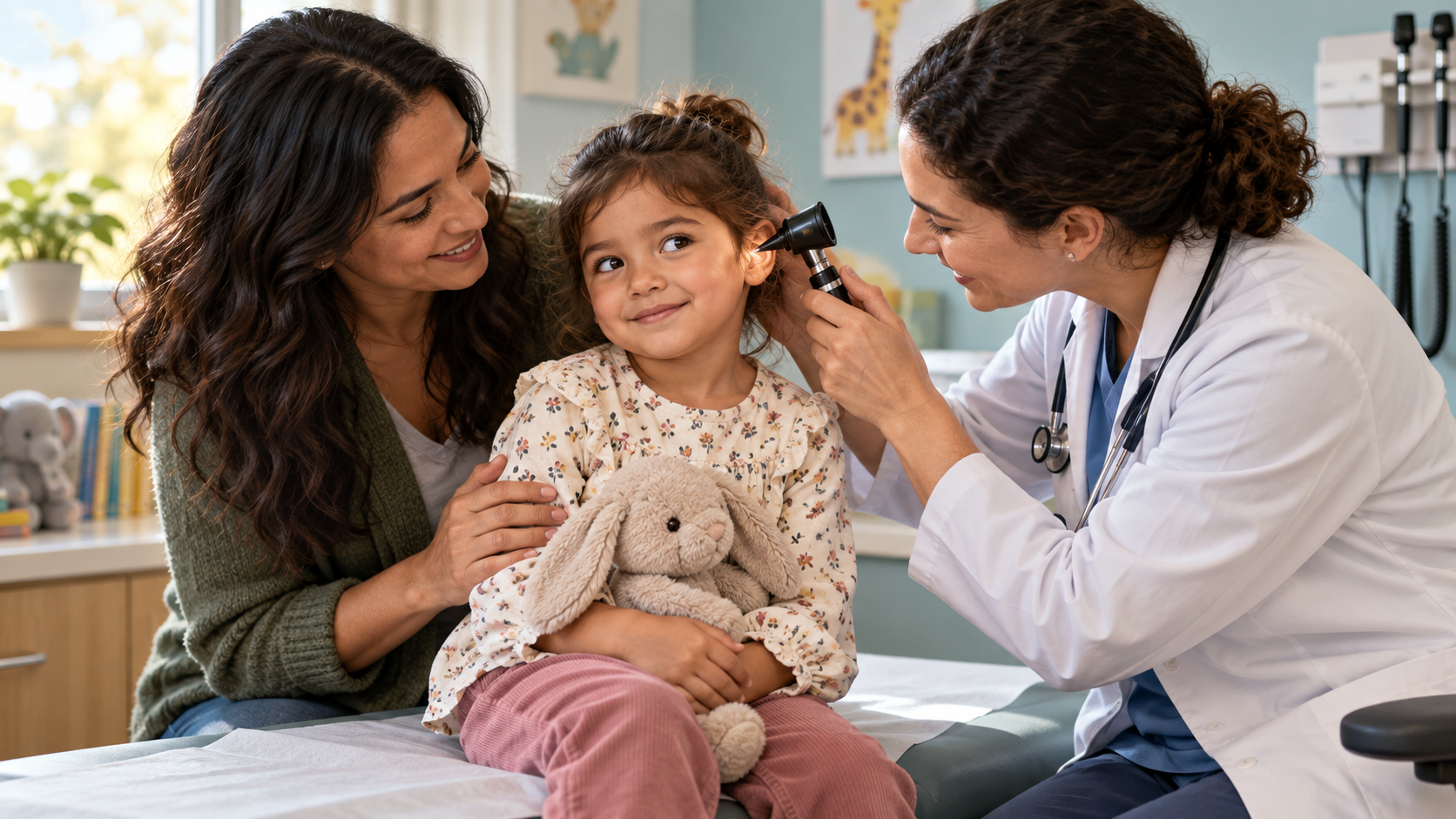
Ear pain can turn bedtime into a long night. Young children may say an ear hurts, but they may also cry, sleep poorly, seem unusually irritable, hear less clearly, or develop symptoms after a cold. Pulling at an ear by…
Read more →Oct 26, 2026
5 min read
 health-wellness
Coughs, Colds, and Safe Relief for Young Children
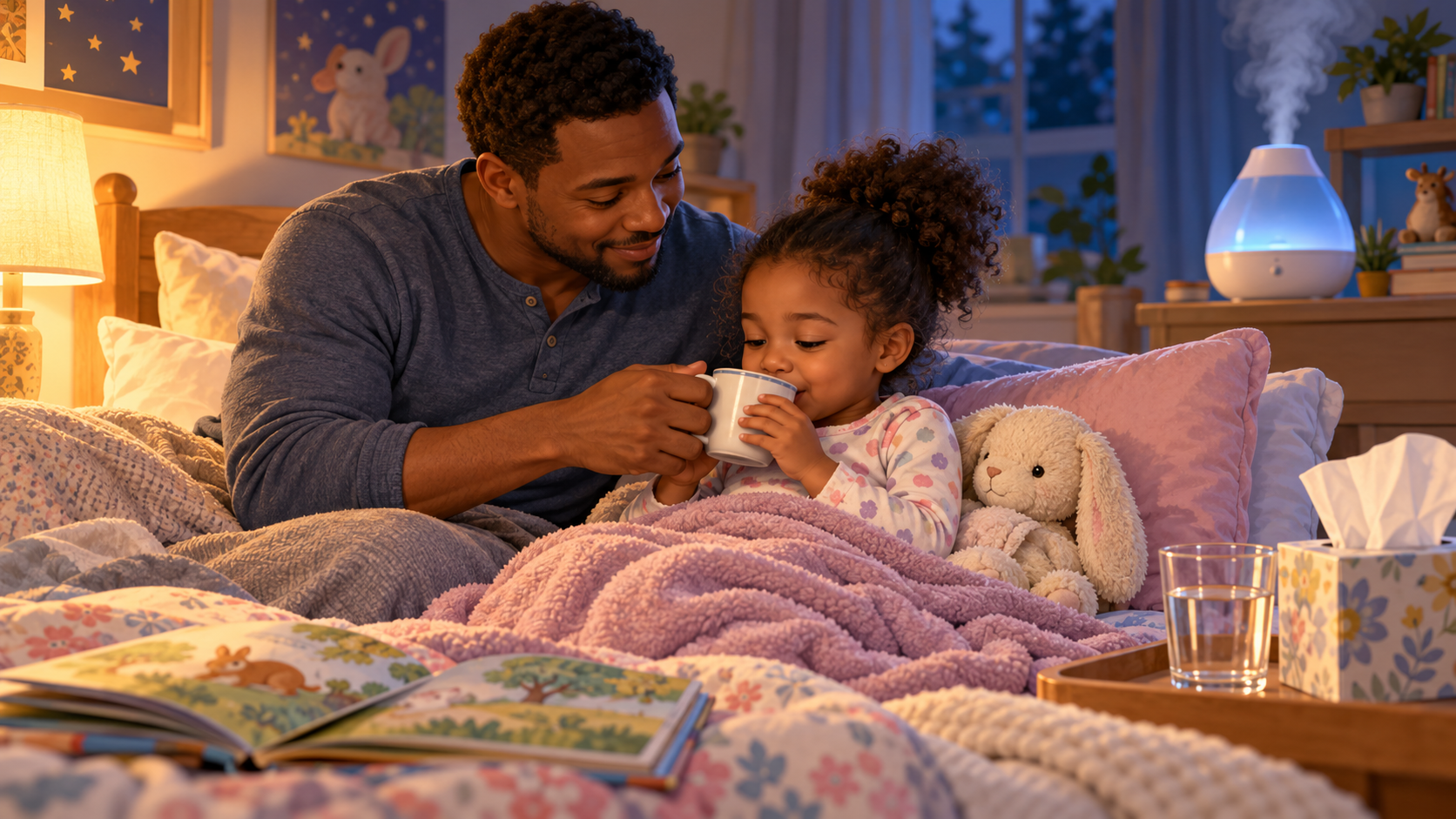
A child can sound miserable with a stuffy nose and still have an uncomplicated cold. Young children may catch many respiratory infections, especially after entering group care. Most are caused by viruses and improve…
Read more →Oct 14, 2026
5 min read
 health-wellness
A Parent's Guide to Fever in Children Ages 2 to 5
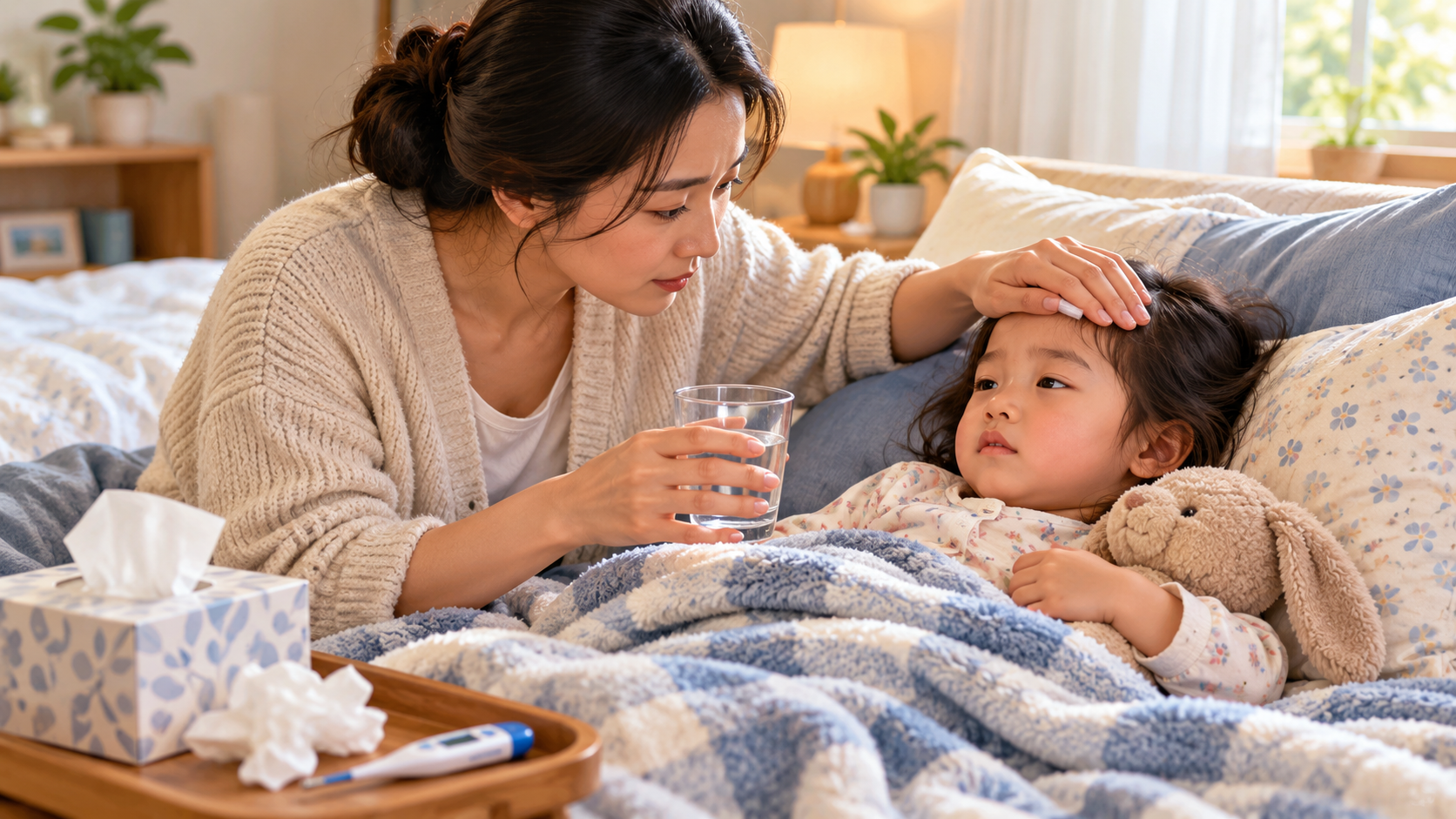
A warm forehead can turn an ordinary evening into a stream of questions. How high is the temperature? Is the child drinking? Should medicine be given? Does the family need urgent care? For children ages 2 to 5, the…
Read more →Oct 13, 2026
5 min read
The OWL Weekly
A small letter from Larissa, every Sunday.
One short video, one free printable, one cultural note, one small parenting win. Five minutes to read — written like a note to a friend.
Double opt-in via Beehiiv. Unsubscribe anytime.
