There Is a Reason Larissa Looks the Way She Does
Character design for children's educational content is not a neutral act. The faces children see in their earliest learning experiences shape their sense of who belongs, who is smart, who gets to be the hero, and who represents normalcy. This shaping happens before language develops. Before children can articulate what they are learning, they are absorbing an unconscious curriculum about identity and belonging from the visual world around them.
Larissa — OWL's central character — was designed with this reality as the starting point, not the afterthought.
Who Is Larissa?
Larissa is a curious, joyful, musically gifted child who appears throughout OWL's video content, physical products, storybooks, and lesson plan materials. She sings. She asks questions. She makes mistakes and tries again. She celebrates her friends' differences. She loves books, animals, numbers, and the sound of her own voice — especially when she is harmonizing with someone she loves.
Larissa is not defined by a single ethnicity. She is specifically drawn to be visually inclusive — warm brown skin, natural textured hair, expressive eyes, and a style that feels both culturally grounded and universally welcoming. She is designed so that a child from any background can look at her and think: she could be my friend.
The Larissa Plush Doll Set: Six Dolls, One Character
OWL's commitment to representation reaches its most tangible expression in the Larissa Plush Doll Set — six soft, huggable versions of Larissa, each representing a different ethnic background and skin tone. The set was designed for both home play and classroom use, sized perfectly for toddler hands, and made from machine-washable materials.
Each doll in the set comes with a short story card describing the cultural background its design is inspired by — because representation is most powerful when it is explained, named, and celebrated rather than silently assumed.
Larissa in OWL's Storybooks
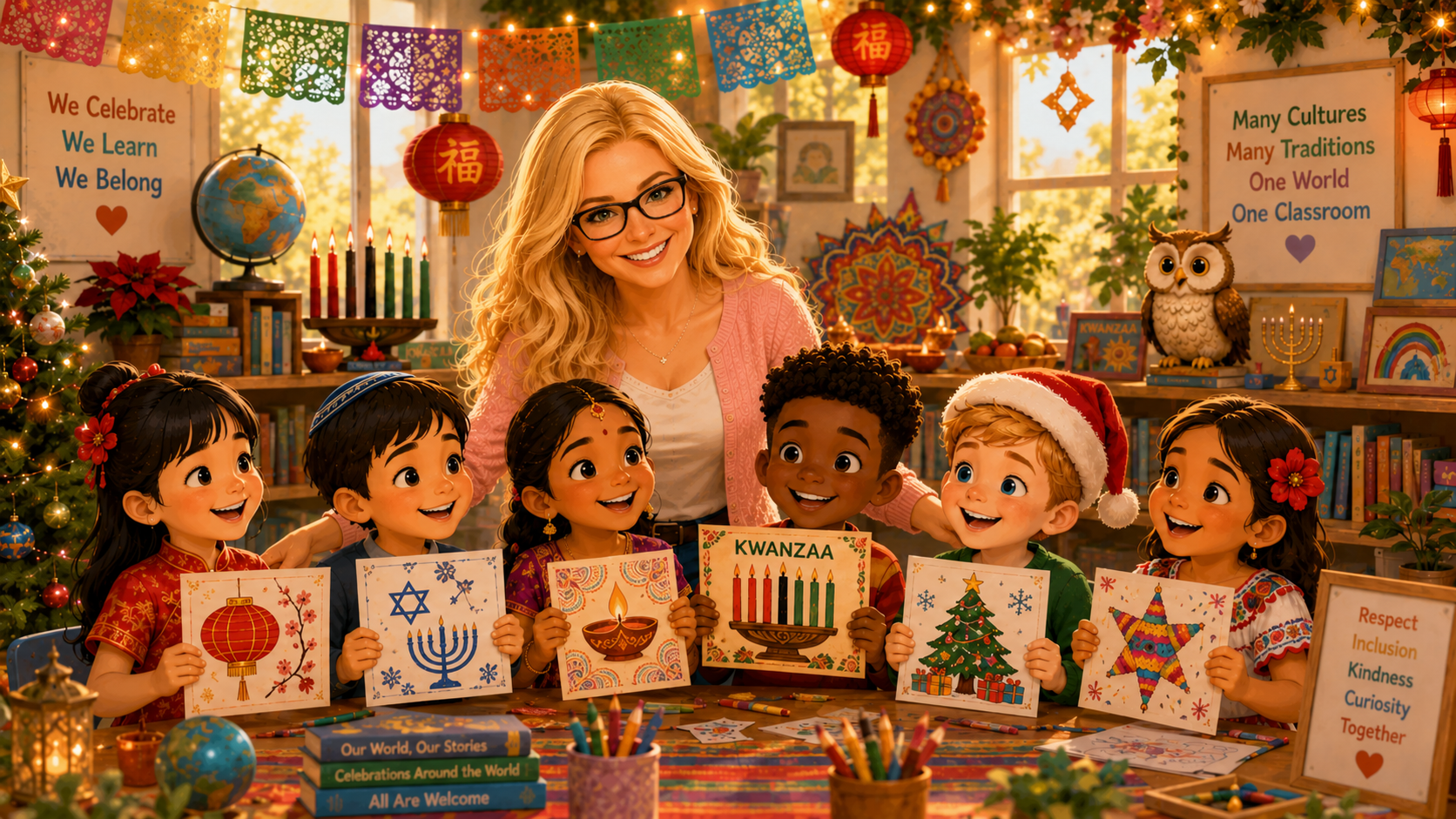
The "Larissa and Friends" storybook series places Larissa alongside six different friends, each from a distinct cultural background. These books are not diversity lessons dressed up as stories — they are genuine narratives about friendship, curiosity, and the adventures children have when they explore the world together. The cultural elements are woven into the story naturally, because that is how children actually experience diversity: not as a curriculum unit, but as the texture of everyday life.
Why Larissa Sings
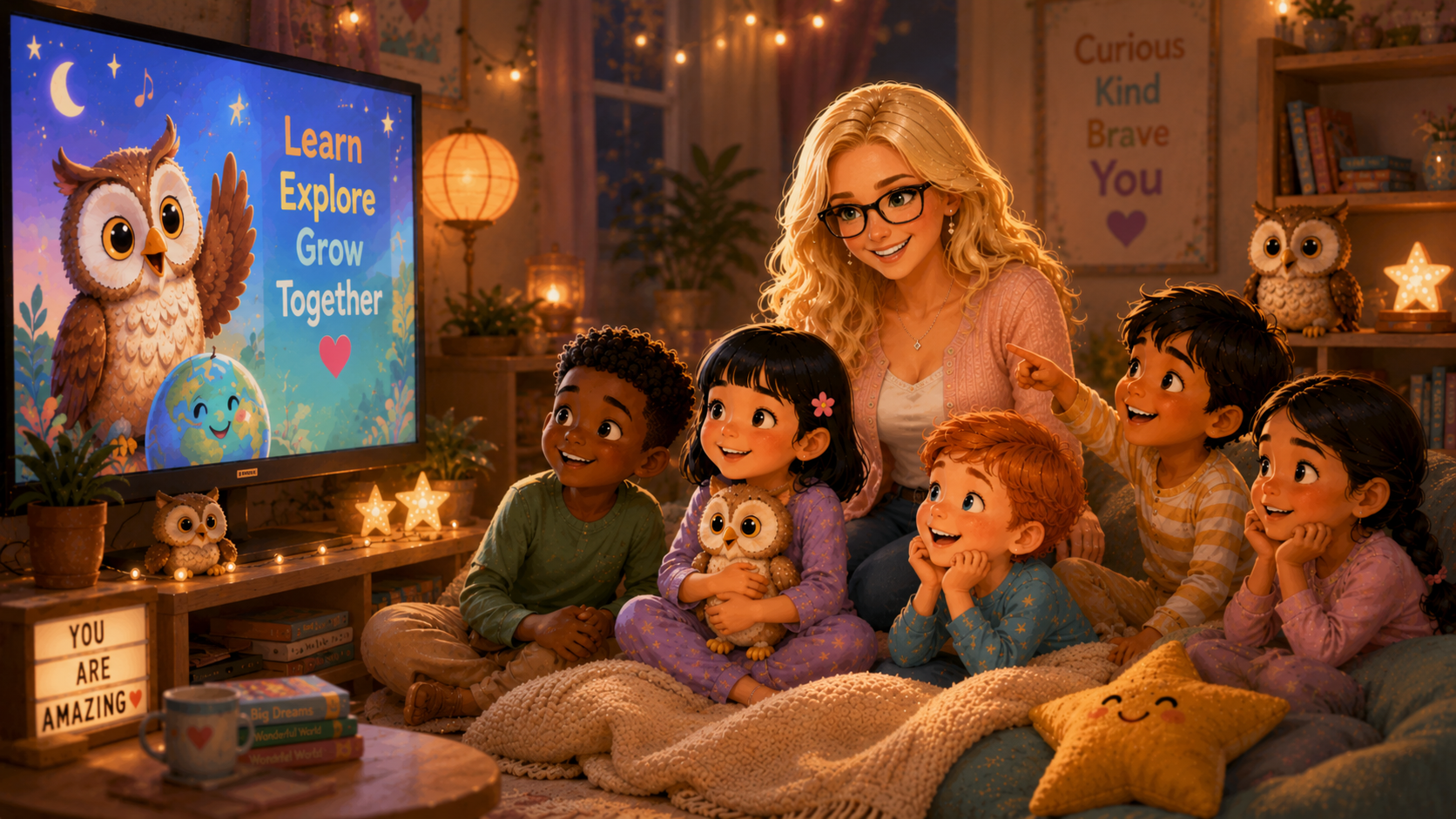
Larissa's core identity is musical. She sings in every OWL video — not as a performance device, but as a developmental one. OWL's research foundation shows that music and language share overlapping brain networks in early childhood. Larissa's songs are structured to maximize this connection: call-and-response for active vocalization, melodic repetition for phonological awareness, and embedded vocabulary for language acquisition.
When children sing along with Larissa, they are not just having fun. They are building the neural infrastructure for literacy.
Larissa in the Classroom
Larissa appears in every OWL lesson plan from birth to age 12 — as an anchor character, a discussion prompt, a learning model, and a source of humor when the lesson needs lightening. Teachers report that having a consistent character across all materials reduces transition friction: children recognize Larissa and engage immediately because they already trust her from the YouTube content.
This cross-platform character consistency is intentional. OWL designed Larissa to function as a reliable companion across every medium in a child's learning life — not just a face on a product.