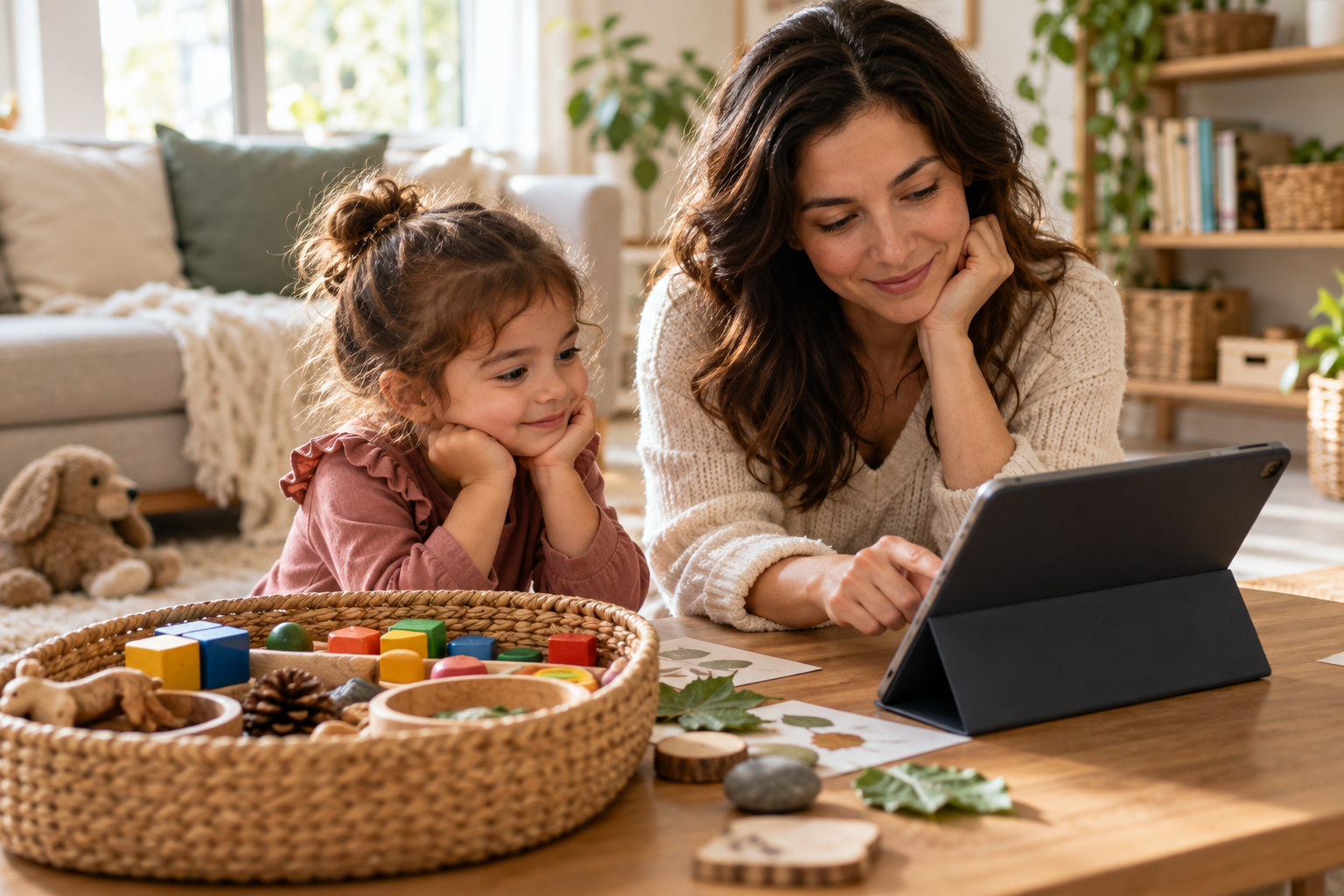
<p>The word “educational” on a thumbnail is not a guarantee. For toddlers, a useful video has a clear purpose, an understandable pace, trustworthy adults or characters, and ideas a child can use after the screen is turned off. Parents do not need a perfect plan; they need a useful place to begin and permission to adjust it for the child in front of them.</p> <p>Parents can also consider what the screen experience is crowding out. A calm, purposeful video may fit well in the day, while the same video may be a poor choice if it regularly replaces sleep, active play, outdoor time, books, or conversation. Quality, context, and the child’s response matter alongside the number of minutes.</p> <p>A practical place to begin is to preview the video and ask exactly what your child is meant to notice or practice. Use ordinary conversation while you play. Words connected to a real action are easier for young children to understand and revisit.</p> <p>Another useful approach is to look for simple language, visible demonstrations, pauses, repetition, and limited visual clutter. There is no need to correct every unexpected choice. Ask what the child is doing and let their explanation guide the next step.</p> <p>Families can also avoid content built around rapid surprises, hidden advertising, or endless automatic recommendations. Repetition is productive at this age. A child who asks for the same experience again is often practicing something important.</p> <p>On a different day, try to choose a length that fits the child and stop while attention is still comfortable. Keep the first attempt brief and notice what captures attention; that observation will tell you what to repeat or change next time.</p> <p>Finally, remember to watch for what transfers into play, speech, movement, drawing, or conversation afterward. If the idea feels difficult, simplify the materials or do one part together. Support can fade as the routine becomes familiar.</p> <p>After viewing, look for one simple bridge into the physical world. It might be finding a matching color, acting out an animal, singing a line while washing hands, or drawing a favorite moment. The bridge does not need to resemble a formal lesson. Its purpose is to help the child use an idea actively and show the adult what stayed with them.</p> <p>The value of how to choose educational videos for toddlers is not found in doing every suggestion at once. Choose the idea that fits today’s time, space, energy, and developmental stage. Watch the child’s response, make one small adjustment, and treat that response as useful information. This flexible rhythm is how a promising idea becomes something a family can actually use.</p> <p>OWL builds videos around original songs, Larissa’s warm teaching, inclusive stories, and preschool concepts families can revisit away from the device. We pair media with movement, talk, and printables because a video should open a door to learning, not become the entire room.</p> <p>Digital media is one part of a child’s environment, not a verdict on a parent. Thoughtful choices, clear endings, shared viewing when possible, and plenty of life away from screens can keep media in proportion. OWL will continue creating content that invites children back into the world rather than asking them to stay online.</p>
How to Choose Educational Videos for Toddlers
The word "educational" on a thumbnail is not a guarantee. For toddlers, a useful video has a clear purpose, an understandable pace, trustworthy adults or characters, and ideas a child can use after the screen is turned…
By Rick Lofton · October 17, 2026
Keep reading
More in education-learning
 education-learning
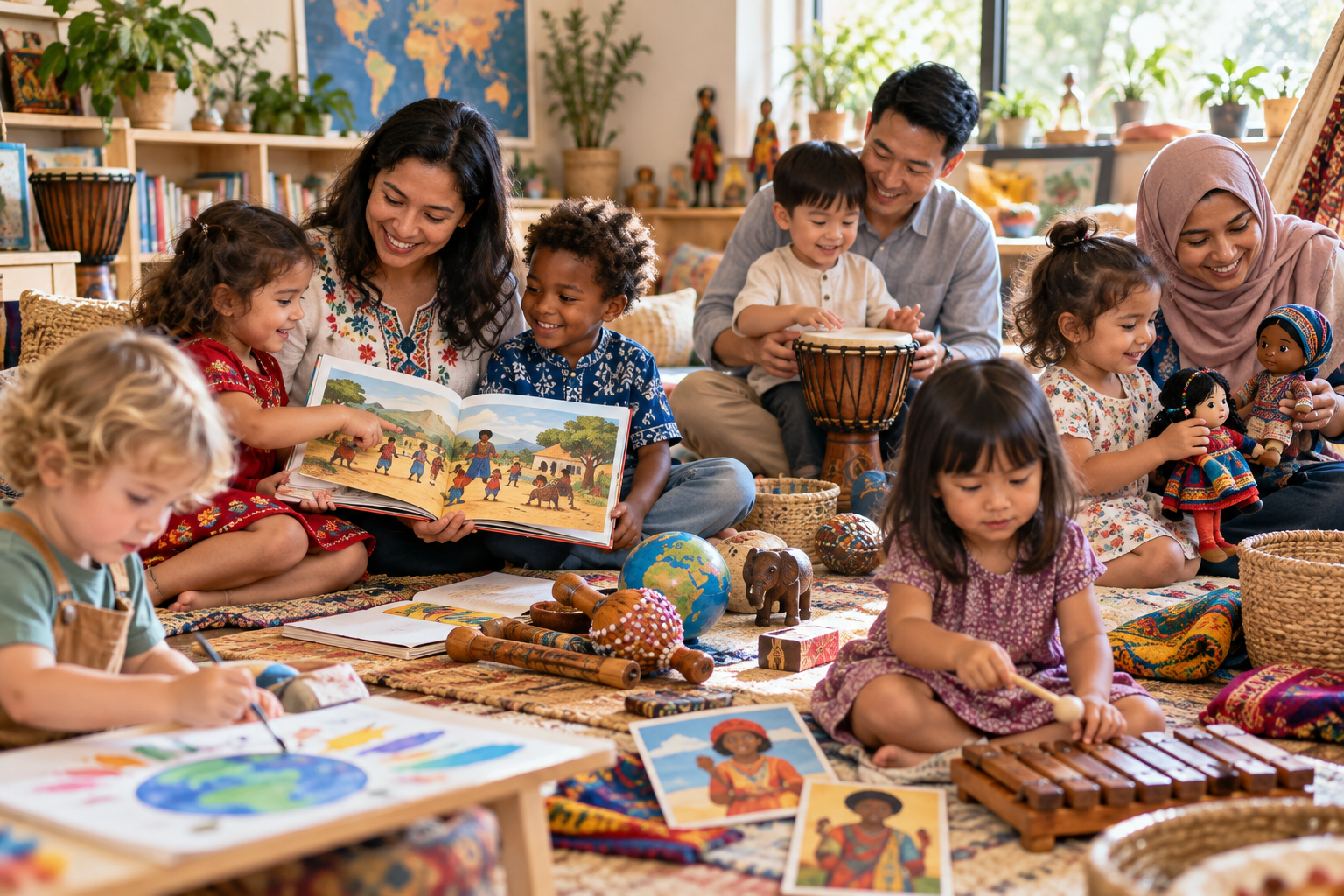
Why Representation Belongs in Early Learning
Children begin noticing human difference early. They also notice who gets to be adventurous, gentle, funny, knowledgeable, or important in the stories adults offer them. Representation matters because those patterns…
Read more →Oct 27, 2026
3 min read
 education-learning
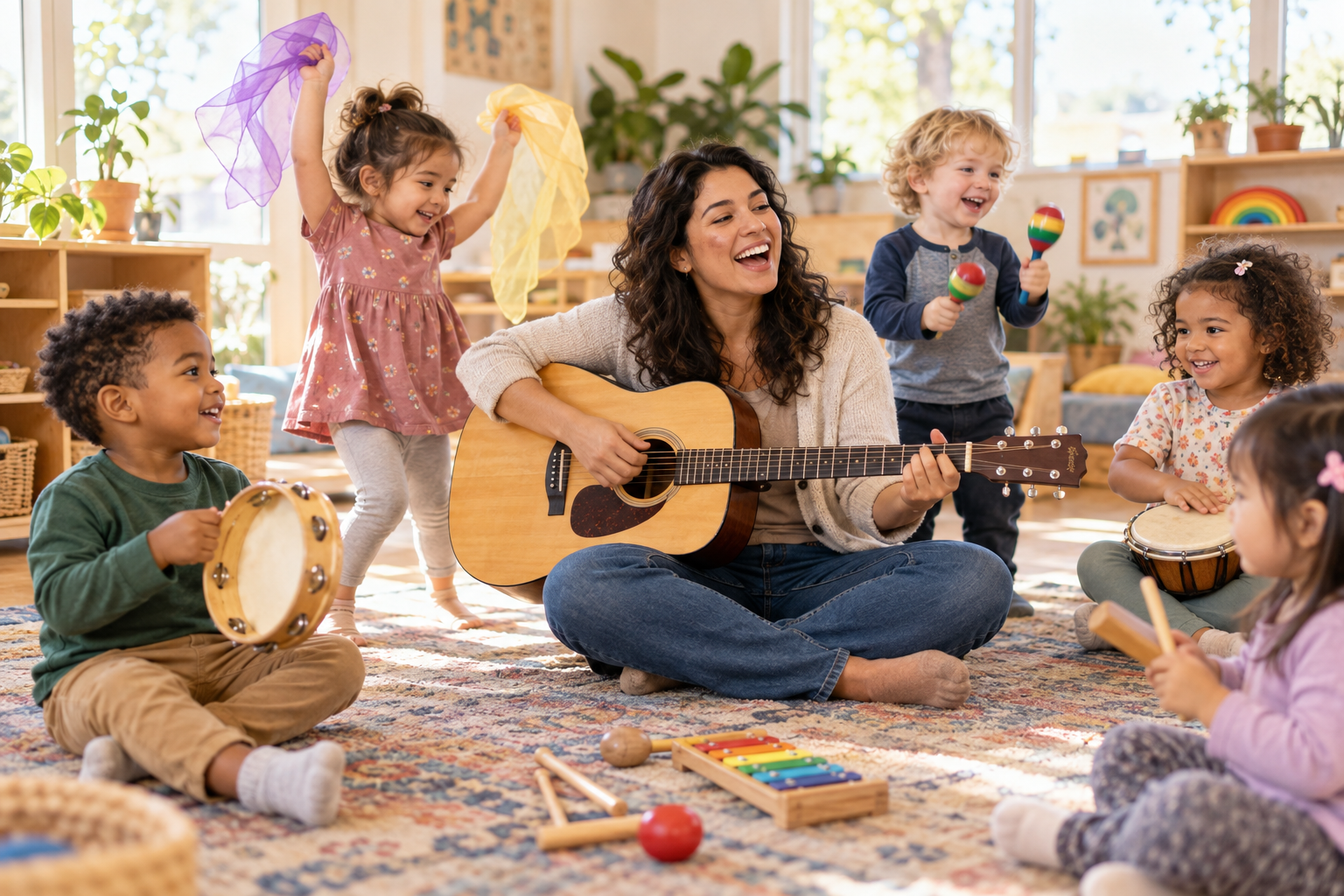
Why OWL Uses Music to Teach
At OWL, music is not decoration added after a lesson is written. It is one of the ways young children organize language, movement, memory, feeling, and belonging. A melody can make a pattern easier to anticipate and an…
Read more →Oct 25, 2026
3 min read
 education-learning
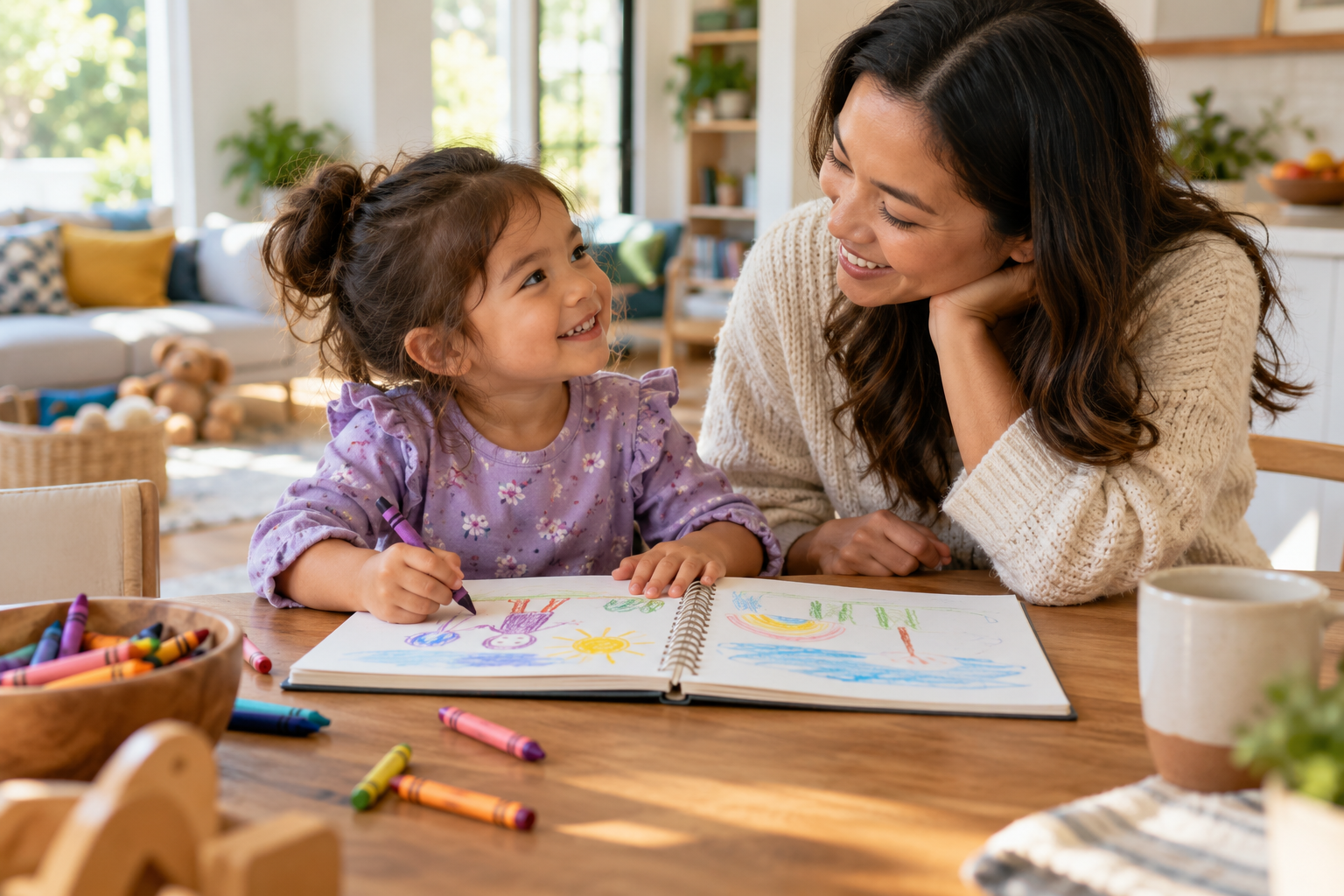
Learning Journals for Preschoolers
A preschool learning journal is not a diary a child must fill with sentences. It is a place to save marks, observations, questions, drawings, photos, and small memories—evidence of a mind learning how to notice and…
Read more →Oct 23, 2026
3 min read
The OWL Weekly
A small letter from Larissa, every Sunday.
One short video, one free printable, one cultural note, one small parenting win. Five minutes to read — written like a note to a friend.
Double opt-in via Beehiiv. Unsubscribe anytime.
